

Experiential Expo 2026: Bringing the Industry Together to Shape What’s Next
Experiential Expo 2026: Bringing the Industry Together to Shape What’s Next
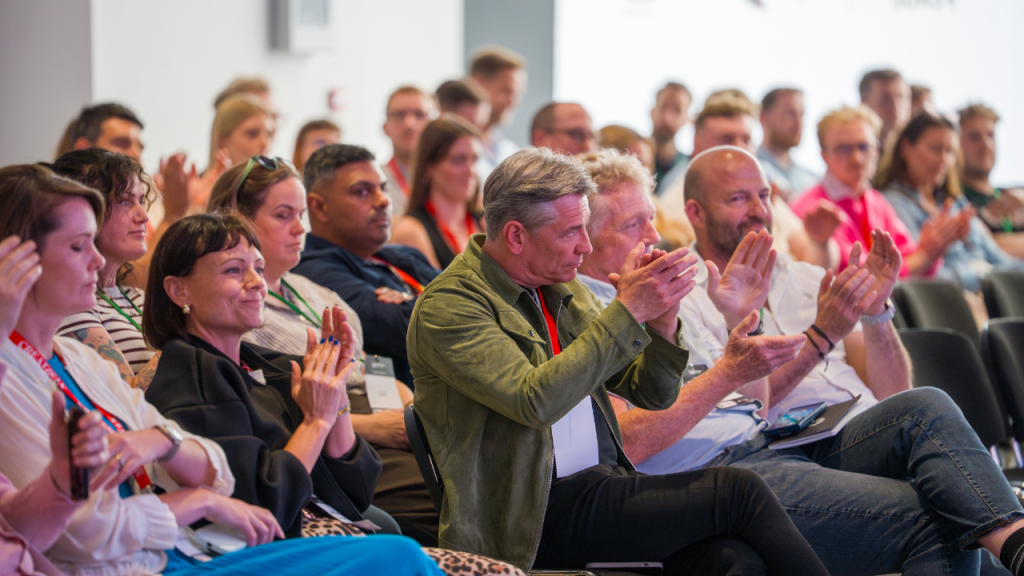
The inaugural Experiential Expo successfully brought together brands, agencies, venues, media owners, technology providers, and experiential specialists for an afternoon dedicated to exploring the future of experiential marketing.
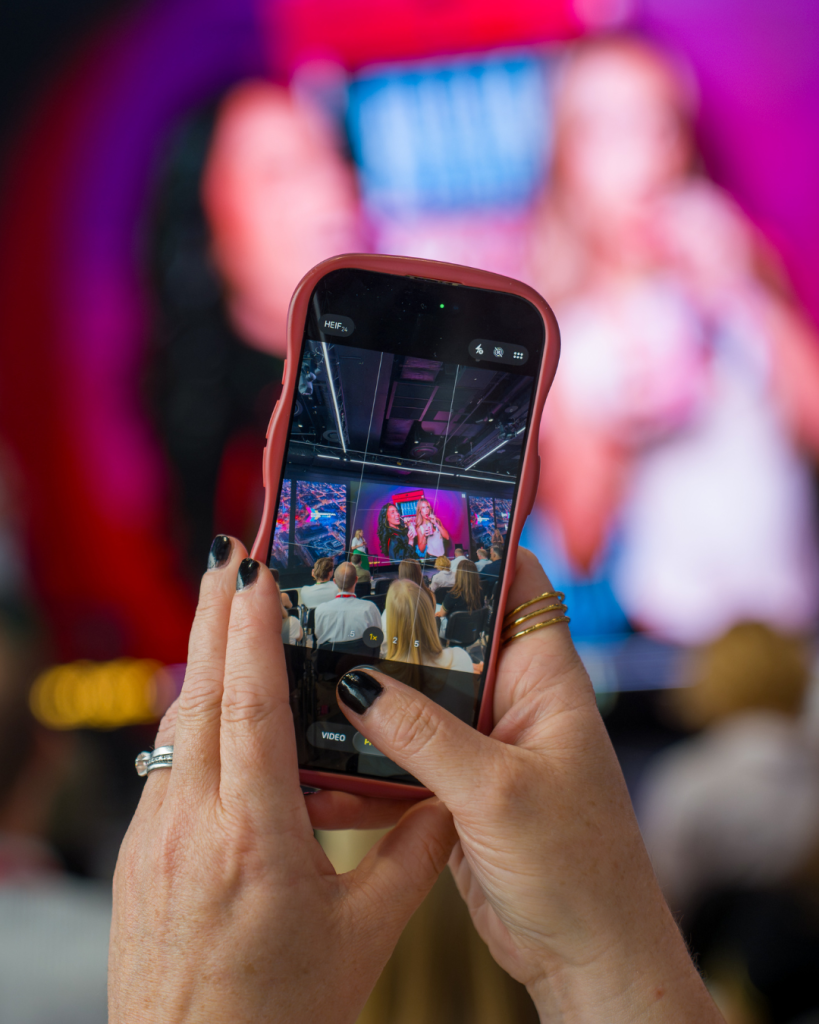
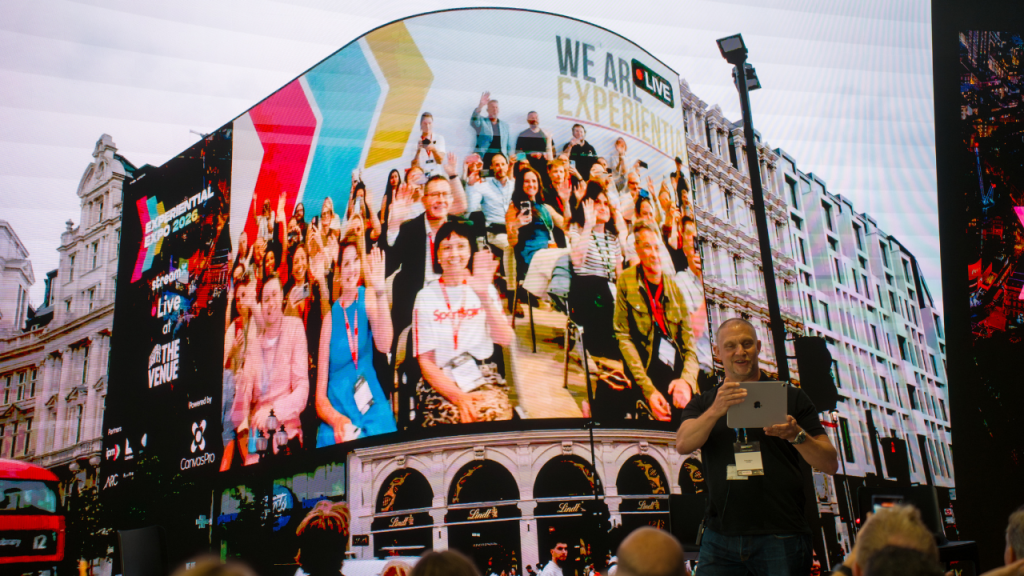
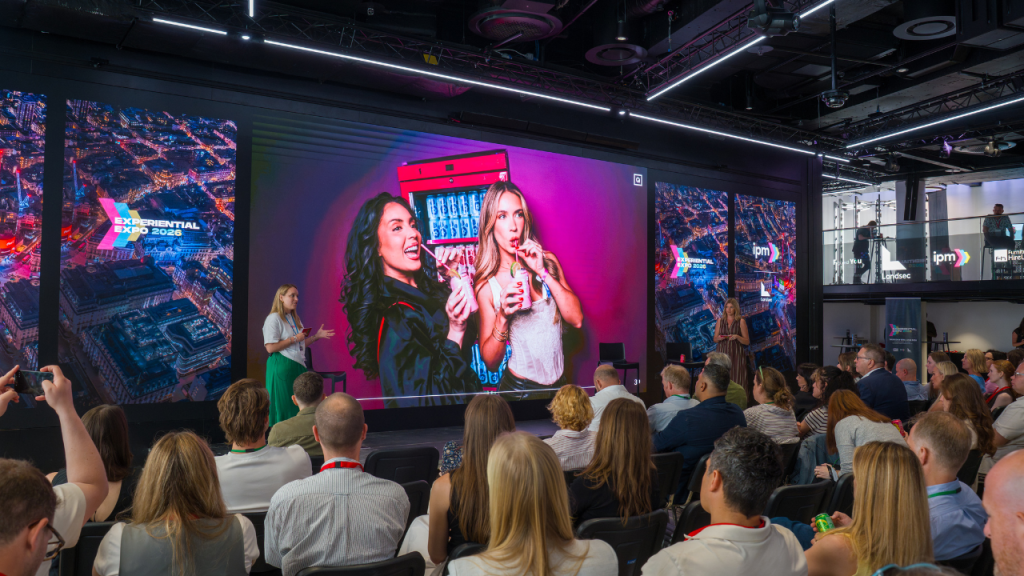
Hosted beneath the iconic Piccadilly Lights in The Venue, the event was created to provide a platform for the industry to share ideas, showcase innovation, and discuss the growing role experiential plays within the wider marketing mix.
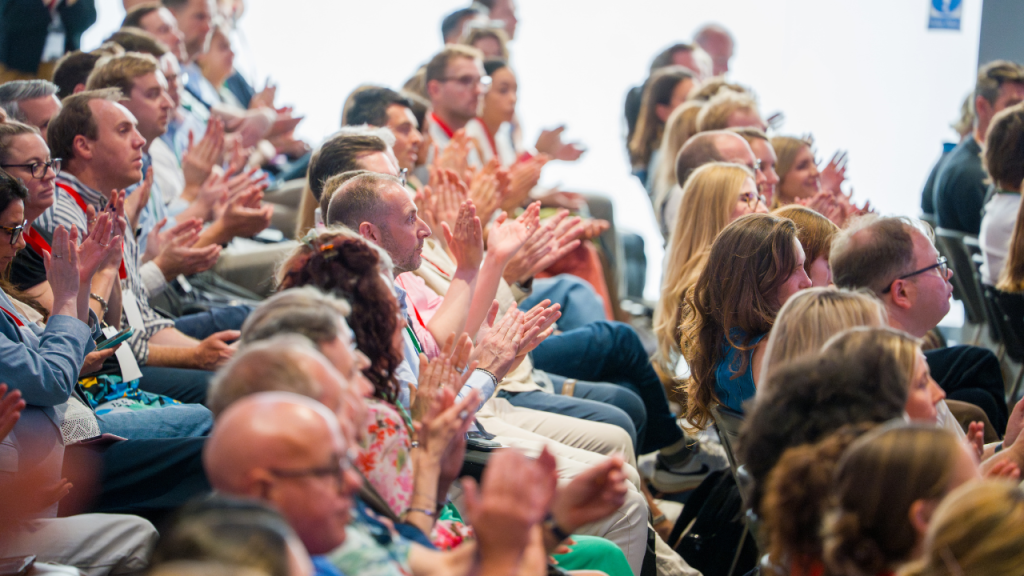
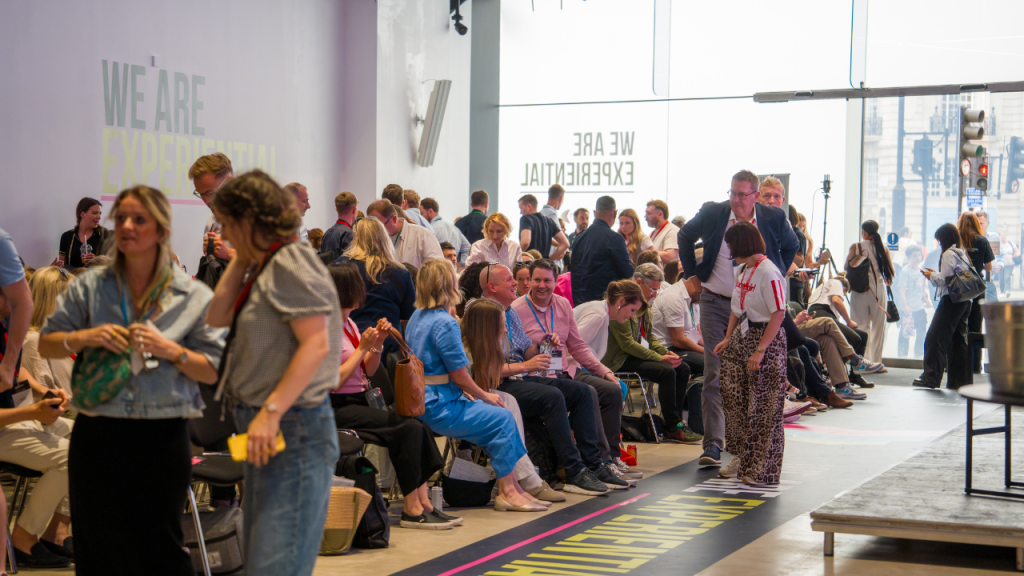
With a packed programme of keynote presentations, panel discussions, case studies and networking opportunities, the event reflected the strength, ambition and momentum currently driving the experiential sector.
We would also like to celebrate and recognise the incredible businesses who’s vita contribution brought the Experiential Expo to life, a big thank you to Landsec, FiguredYou, Digital Media Technologies, Holovis, ARC UK Technologies LTD and Furniture Hire UK.

Experiential Expo 2026: Bringing the Industry Together to Shape What’s Next
The inaugural Experiential Expo successfully brought together brands, agencies, venues, media owners, technology providers, and experiential specialists for an afternoon dedicated to exploring the future of experiential marketing.
Hosted beneath the iconic Piccadilly Lights in The Venue, the event was created to provide a platform for the industry to share ideas, showcase innovation, and discuss the growing role experiential plays within the wider marketing mix.
With a packed programme of keynote presentations, panel discussions, case studies and networking opportunities, the event reflected the strength, ambition and momentum currently driving the experiential sector.
We would also like to celebrate and recognise the incredible businesses who’s vita contribution brought the Experiential Expo to life, a big thank you to Landsec, FiguredYou, Digital Media Technologies, Holovis, ARC UK Technologies LTD and Furniture Hire UK.
A Platform for Industry-Wide Collaboration
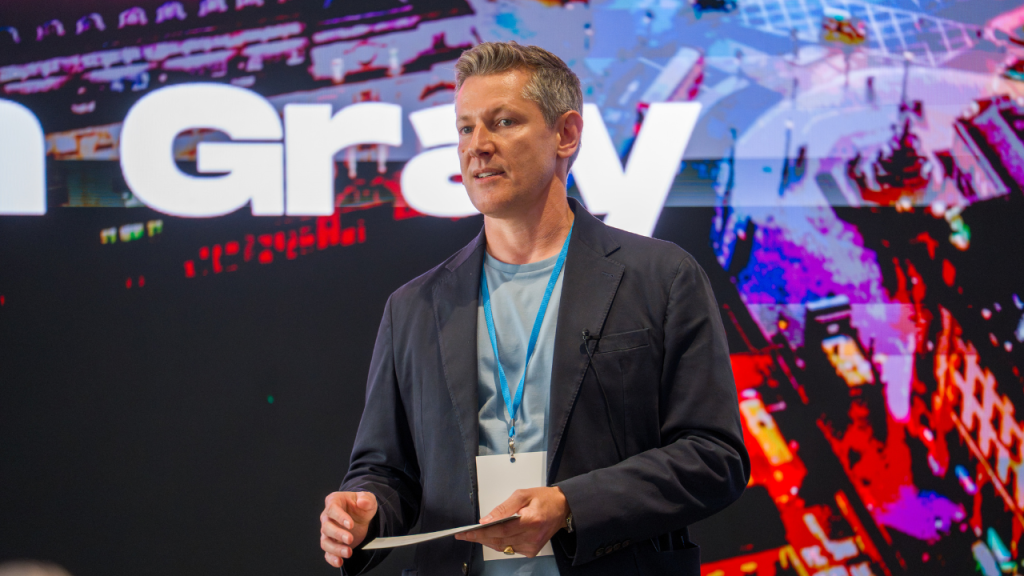
Opening the event, IPM Chair Steven Gray welcomed attendees and highlighted the increasing importance of experiential marketing in an era of fragmented attention and changing consumer expectations.
He emphasised the industry’s responsibility to continue delivering experiences that are not only creative and engaging but measurable, purposeful, and commercially effective.
Attendees were then welcomed by Derek Manns, Head of Commercialisation at Landsec, who introduced The Venue and explored the growing role that experiential spaces play within modern cities. His perspective highlighted how destinations such as Piccadilly Lights are evolving beyond traditional advertising environments into spaces designed for participation, interaction, and cultural relevance.

Experiential’s Growing Strategic Role
The first session explored the increasing role of experiential marketing within the broader marketing ecosystem.
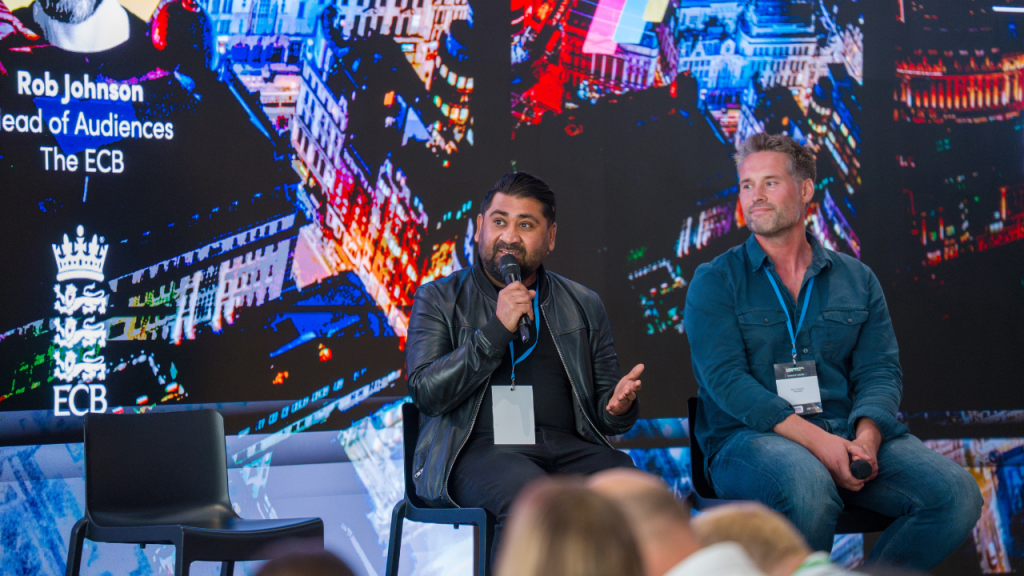
Hosted by Derek Manns, the discussion featured Kay Gowrinath, Managing Director at Xquisite Productions, alongside Rob Johnson, Head of Audiences at the ECB.
Drawing on examples such as the experiential launch of TRON at Piccadilly Lights and the audience engagement strategies surrounding The Hundred, the session demonstrated how experiential has evolved from a tactical activation channel into a strategic business driver.
Discussion focused on audience growth, fan engagement, changing consumer expectations, and the importance of integrating experiential activity with wider media, content, and marketing strategies.
A recurring theme throughout the session was the ability of live experiences to create meaningful engagement and cultural relevance in ways that traditional channels often struggle to replicate.
Designing Experiences That Drive Attention and Action
Attention has never been harder to earn, and the second session explored how brands can create experiences that not only capture attention but also inspire genuine participation and behavioural change.
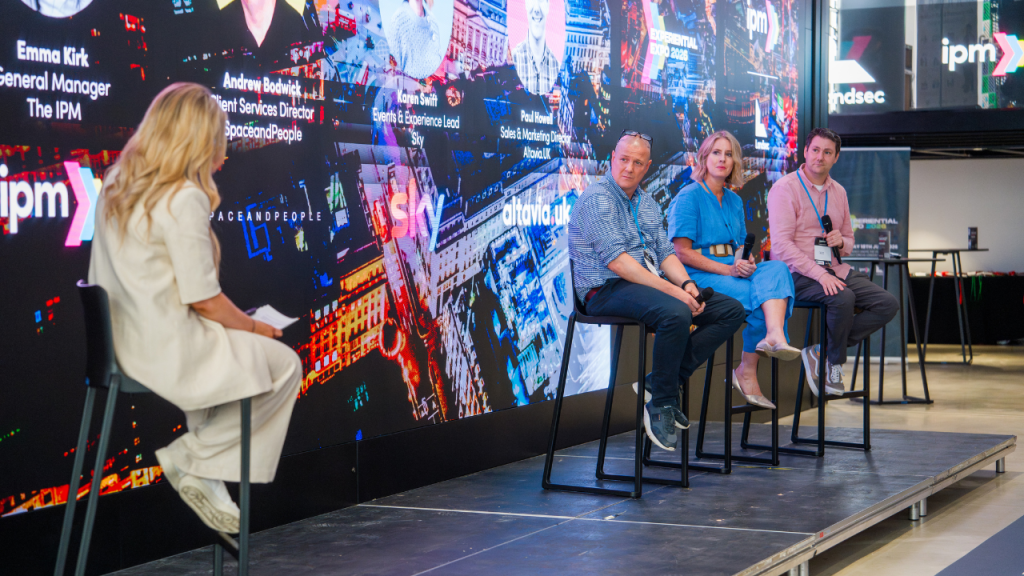
Moderated by The IPM’s Emma Kirk, the panel brought together Andrew Bodwick, Client Services Director at SpaceandPeople, Karen Swift, Senior Events Manager at Sky, and Paul Howell, Sales and Marketing Director at Altavia UK.
Drawing on expertise across public spaces, corporate events, and retail environments, the discussion explored factors that influence audience participation and the aspects that separate memorable experiences from those that are simply seen and forgotten.
Andrew shared insights into the importance of location, audience understanding, and environmental context, while Karen highlighted how live experiences can strengthen culture, advocacy, and engagement among employees and stakeholders. Paul provided a retail perspective, discussing how brands can balance creativity with commercial objectives while designing experiences that drive both engagement and conversion.
The session reinforced the importance of designing experiences around audience needs and behaviours, rather than simply pursuing spectacle for its own sake.
The Measurement Conversation is Ongoing
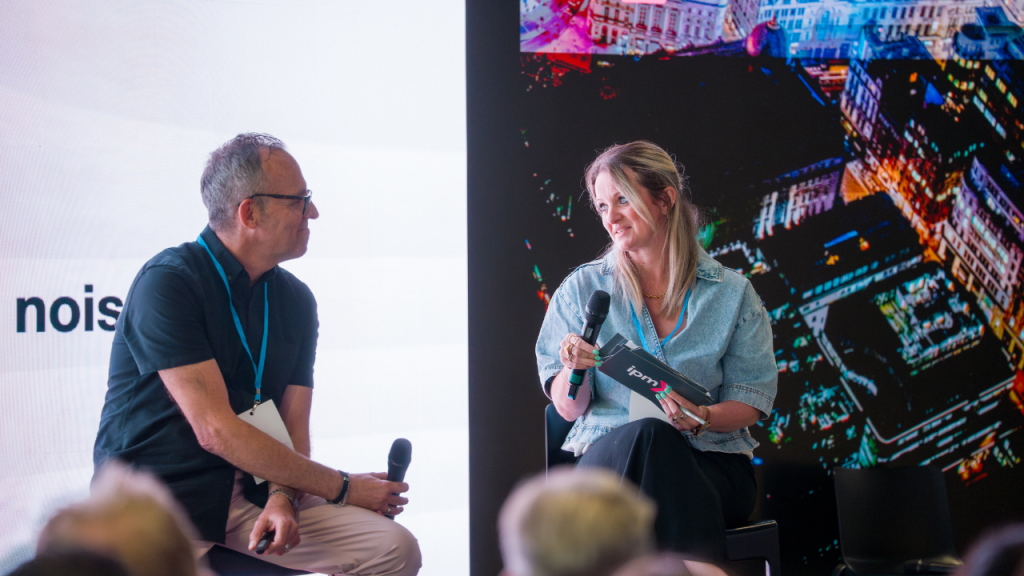
One of the most anticipated discussions of the day centred around measurement and effectiveness.
The session featured Michael Brown, The IPM’s Experiential Diploma Course Lead and Amy Ritchie, The IPM’s vice-chair of the experiential community and Client Service Director at Twelve Agency.
For many years, experiential marketing has faced questions around measurement and accountability. This discussion challenged perceptions and explored how brands and agencies are increasingly demonstrating the commercial value of experiential activity.
Michael Brown outlined the importance of establishing clear objectives and effectiveness frameworks from the outset as well as providing practical examples of how experiential campaigns can be measured through behavioural, commercial, and operational outcomes.
The conversation highlighted a significant shift within the industry, with marketers increasingly expected to prove their contribution to wider business goals and demonstrate return on investment.
Importantly, the discussion reinforced that effective measurement goes far beyond vanity metrics, focusing instead on meaningful indicators of audience engagement, behaviour change, and business impact.
Michael will be exploring this in our Experiential Marketing Diploma. If you would like to learn about how to effectively measure experiential activations, you can sign up here.
How Partnerships Are Being Amplified Through Experience
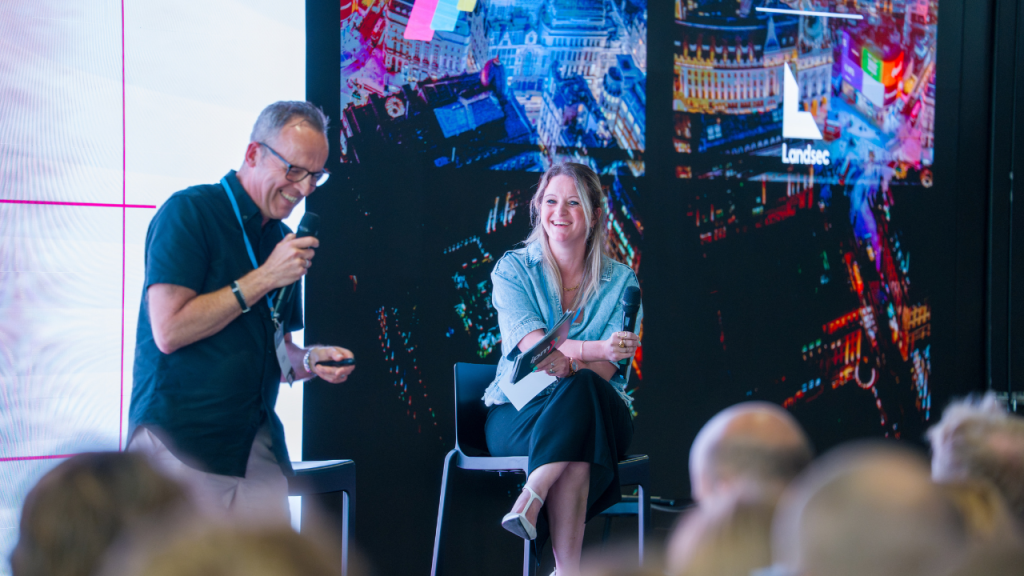
Partnerships and collaboration formed the focus of the afternoon’s fourth session.
Mordecai provided a compelling case study examining how Hyundai utilized experiential marketing to bring its partnership with Live Nation to life through innovative audience experiences and technology-driven engagement.
The discussion examined how creativity combined with strategic thinking can transform partnerships into meaningful experiences that deliver value for both brands and consumers.
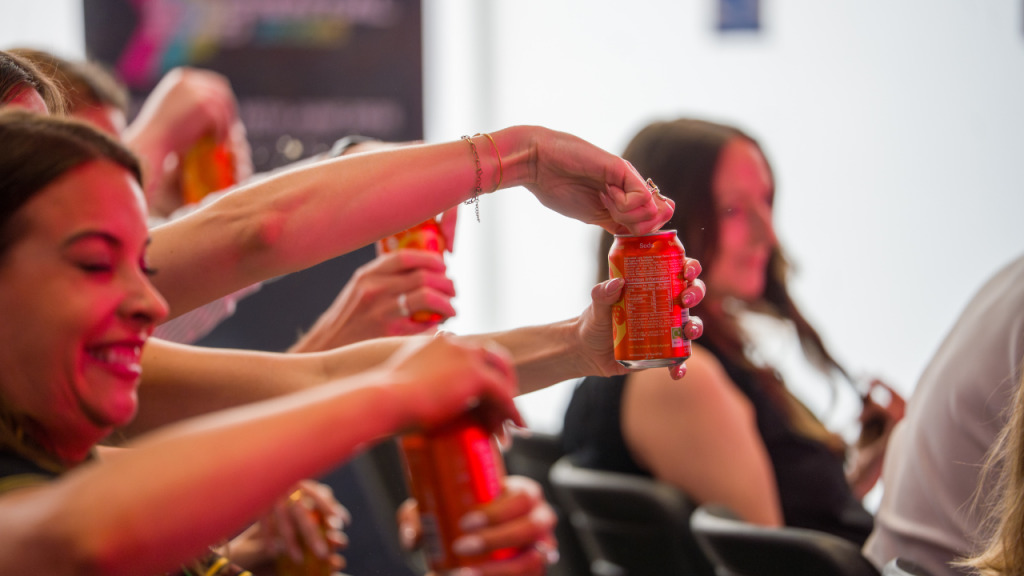
This theme continued through a joint presentation from Claire Zakss, Head of Customer Marketing at Poppi and Laura Winter, Managing Partner: Client Experience at Quantum.
Together, they explored the recent string of Poppi partnerships, including with Pret, the London O2 Arena, and a small Acai company, demonstrating how experiential can be used for various goals, including occasion, culture, and validation.
The session demonstrated how experiential sits at the heart of modern partnership marketing, creating opportunities for authentic audience engagement while generating amplification through social media, content, and earned media.
Across both case studies, authenticity emerged as a critical factor in partnership success, with speakers highlighting the importance of ensuring collaborations feel natural and relevant to consumers.
Looking Ahead: The Future of Experiential Marketing
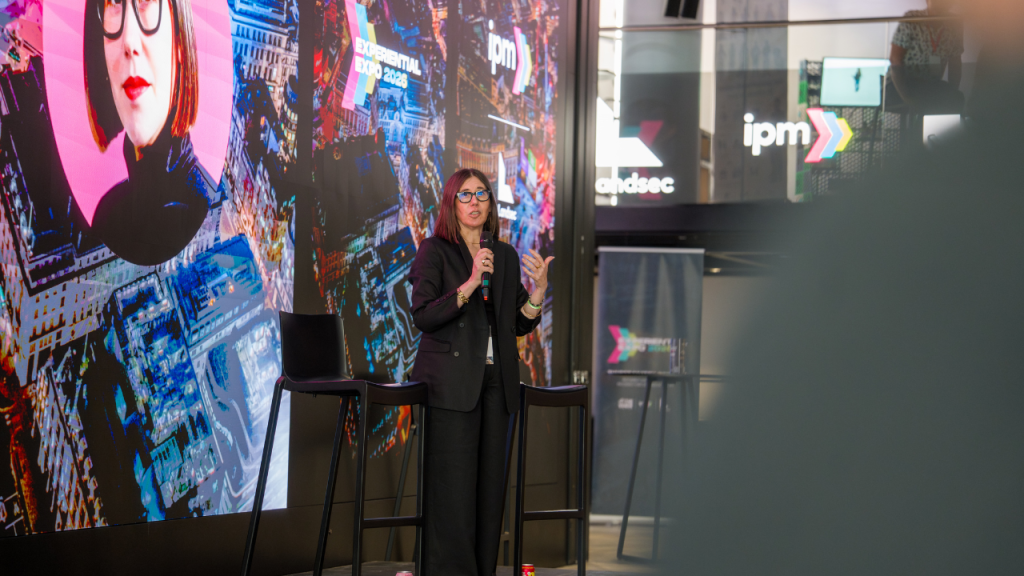
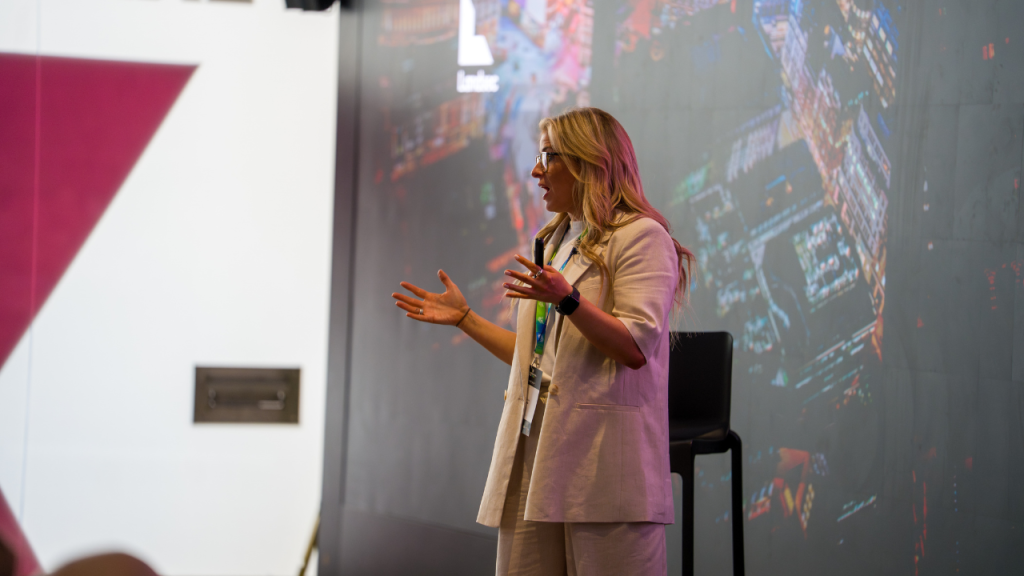
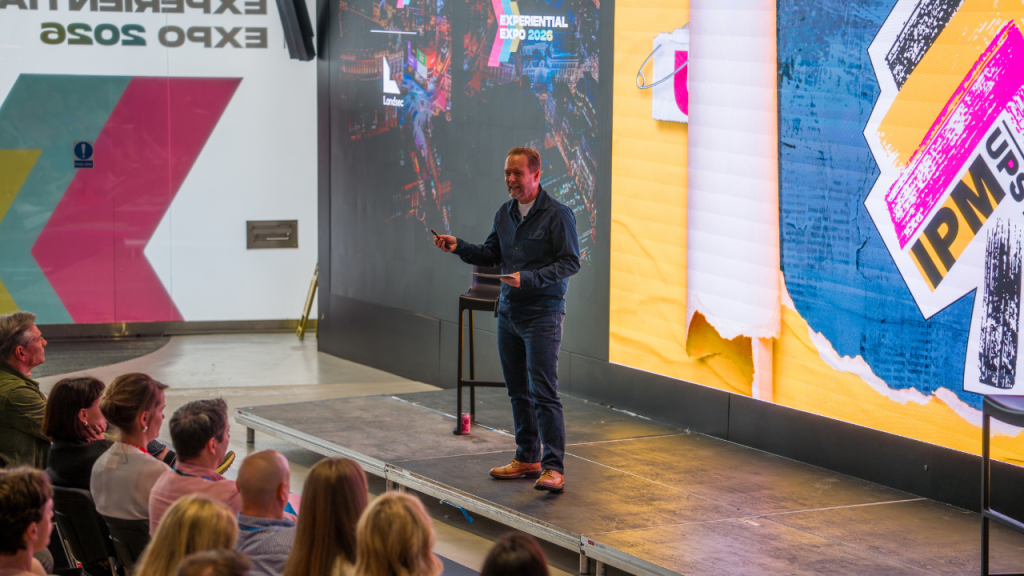
Closing the content programme, Nigel Clifton, Head of Creative at N2O and Chair of the IPM Experiential Community, delivered an inspiring keynote on the future of experiential marketing.
Reflecting on the themes explored throughout the day, Nigel highlighted the significant progress being made across the industry in areas such as measurement, effectiveness, and strategic positioning.
Importantly, Nigel noted that Experiential Expo itself was born from conversations taking place within the industry. Conversations about raising standards, sharing best practice, showcasing great work, and creating a stronger collective voice for experiential marketing.
His message was clear: experiential has never been more relevant, but continued progress will depend on the industry’s willingness to collaborate, innovate, and participate.
Building Momentum for the Future
Throughout the afternoon, one message remained consistent: experiential marketing continues to evolve as a strategic, commercially valuable discipline capable of delivering meaningful connections between brands and audiences.
The conversations taking place at Experiential Expo reflected an industry that is increasingly confident in its value, committed to proving effectiveness, and focused on delivering experiences that create lasting impact.
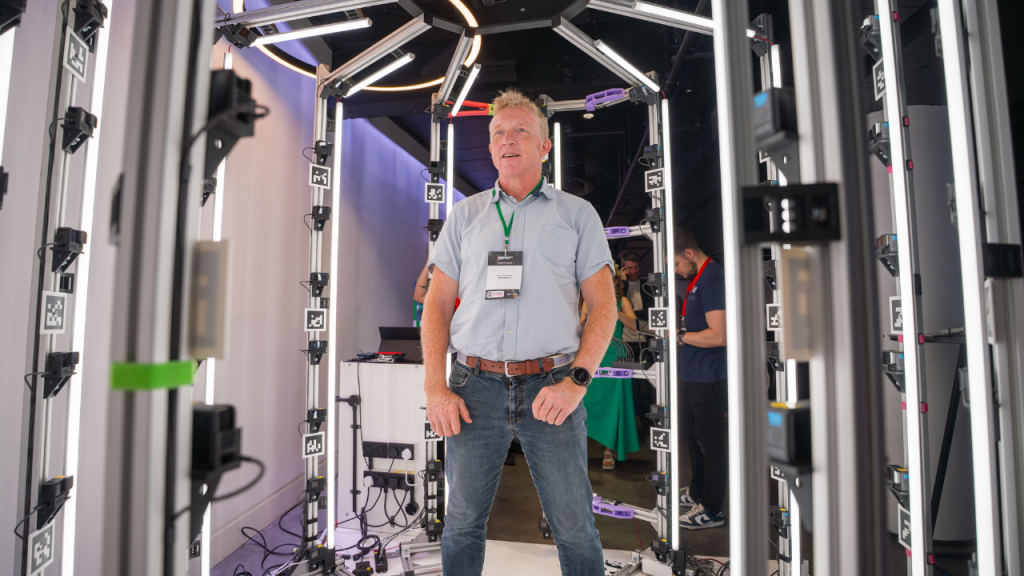
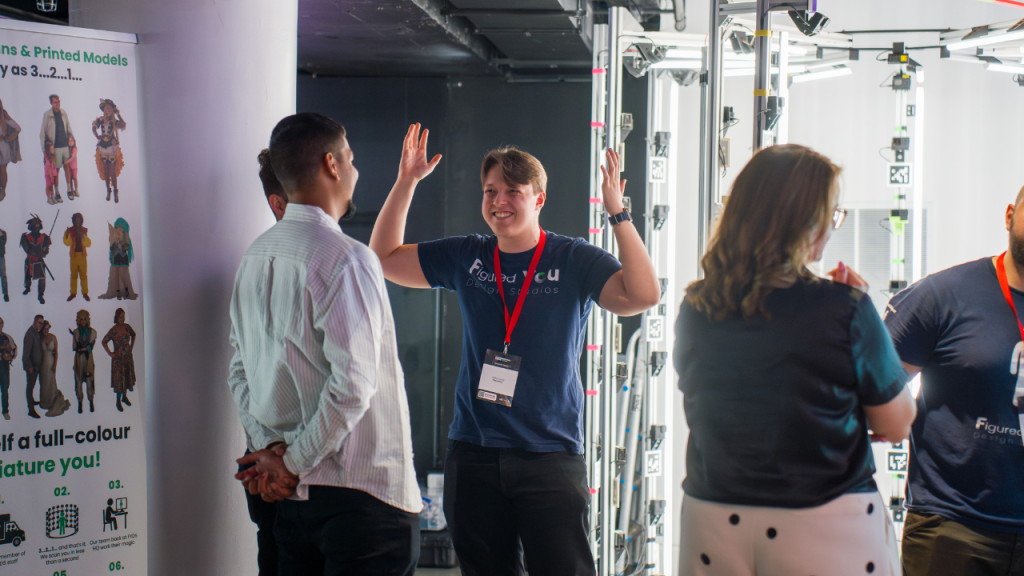
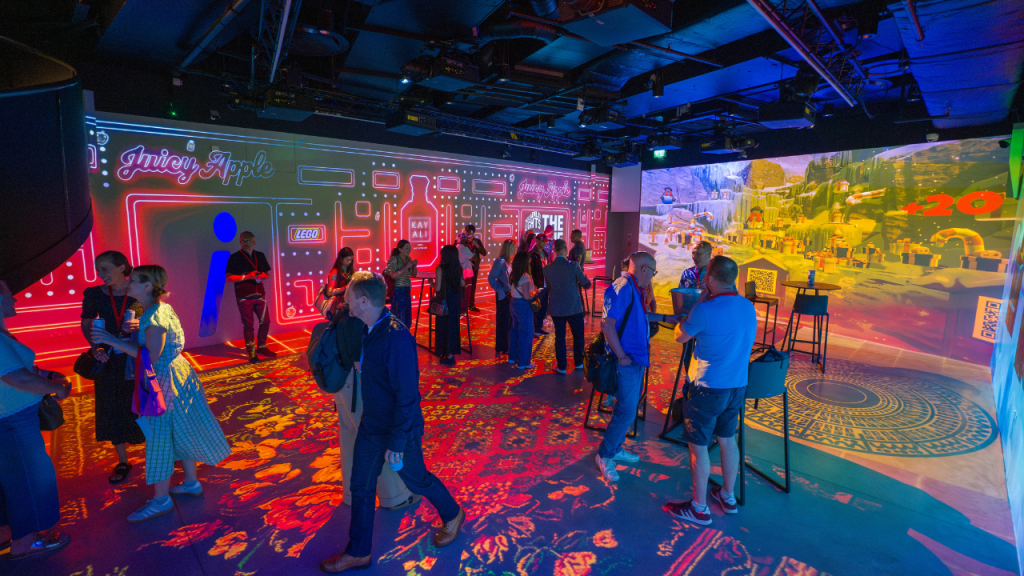
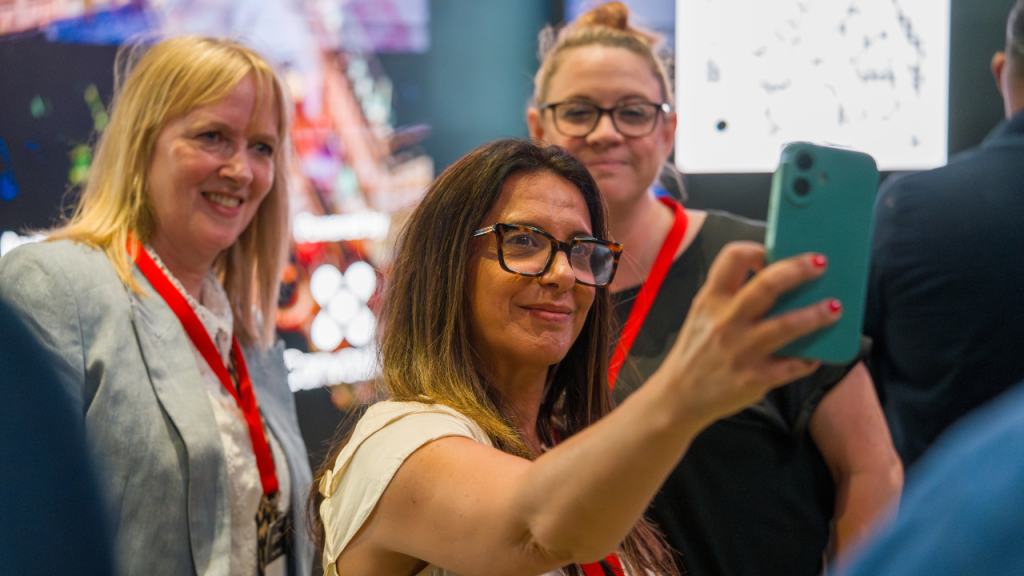
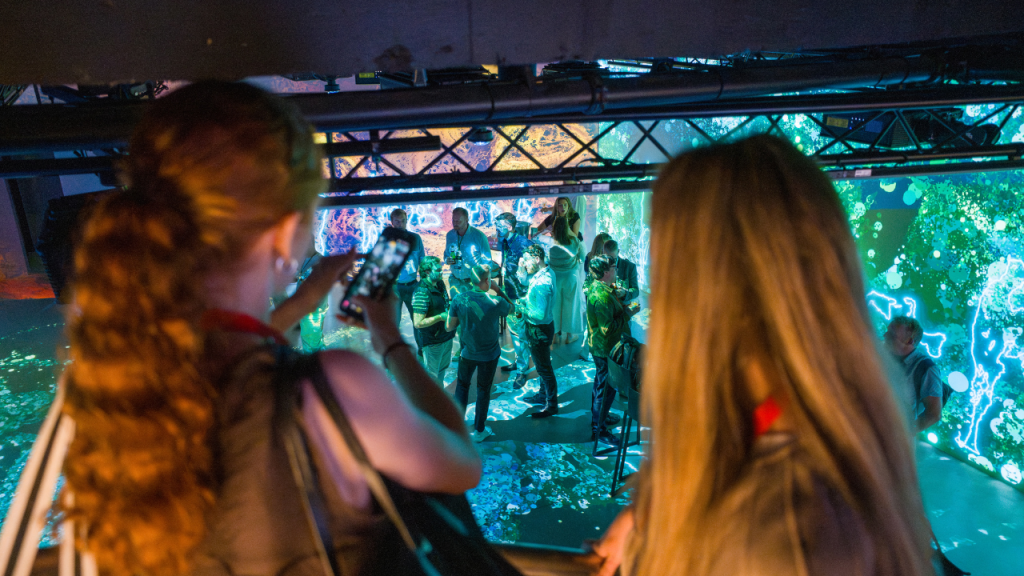
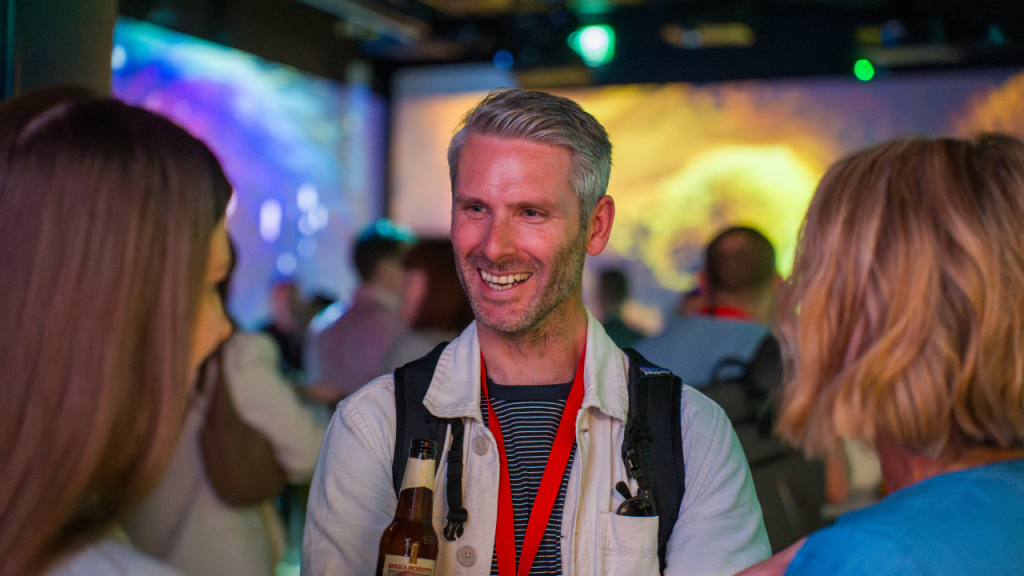
As attendees continued discussions during the networking reception, immersive projection mapping experiences delivered by Holovis and Figured You’s mobile 3D scanning studio demonstrated the role tech can play within experiential campaigns and reinforced the event’s central theme: that shared experiences remain one of the most powerful tools available to marketers.
For a first edition, Experiential Expo achieved exactly what it set out to do, bringing the industry together, showcasing great work, and creating meaningful conversations about the future of experiential marketing.
If the energy and enthusiasm displayed throughout the day are an oracle of the future, this is only the beginning.
A Platform for Industry-Wide Collaboration
Opening the event, IPM Chair Steven Gray welcomed attendees and highlighted the increasing importance of experiential marketing in an era of fragmented attention and changing consumer expectations.
He emphasised the industry’s responsibility to continue delivering experiences that are not only creative and engaging but measurable, purposeful, and commercially effective.
Attendees were then welcomed by Derek Manns, Head of Commercialisation at Landsec, who introduced The Venue and explored the growing role that experiential spaces play within modern cities. His perspective highlighted how destinations such as Piccadilly Lights are evolving beyond traditional advertising environments into spaces designed for participation, interaction, and cultural relevance.
Experiential’s Growing Strategic Role
The first session explored the increasing role of experiential marketing within the broader marketing ecosystem.
Hosted by Derek Manns, the discussion featured Kay Gowrinath, Managing Director at Xquisite Productions, alongside Rob Johnson, Head of Audiences at the ECB.
Drawing on examples such as the experiential launch of TRON at Piccadilly Lights and the audience engagement strategies surrounding The Hundred, the session demonstrated how experiential has evolved from a tactical activation channel into a strategic business driver.
Discussion focused on audience growth, fan engagement, changing consumer expectations, and the importance of integrating experiential activity with wider media, content, and marketing strategies.
A recurring theme throughout the session was the ability of live experiences to create meaningful engagement and cultural relevance in ways that traditional channels often struggle to replicate.
Designing Experiences That Drive Attention and Action
Attention has never been harder to earn, and the second session explored how brands can create experiences that not only capture attention but also inspire genuine participation and behavioural change.
Moderated by The IPM’s Emma Kirk, the panel brought together Andrew Bodwick, Client Services Director at SpaceandPeople, Karen Swift, Senior Events Manager at Sky, and Paul Howell, Sales and Marketing Director at Altavia UK.
Drawing on expertise across public spaces, corporate events, and retail environments, the discussion explored factors that influence audience participation and the aspects that separate memorable experiences from those that are simply seen and forgotten.
Andrew shared insights into the importance of location, audience understanding, and environmental context, while Karen highlighted how live experiences can strengthen culture, advocacy, and engagement among employees and stakeholders. Paul provided a retail perspective, discussing how brands can balance creativity with commercial objectives while designing experiences that drive both engagement and conversion.
The session reinforced the importance of designing experiences around audience needs and behaviours, rather than simply pursuing spectacle for its own sake.
The Measurement Conversation is Ongoing
One of the most anticipated discussions of the day centred around measurement and effectiveness.
The session featured Michael Brown, The IPM’s Experiential Diploma Course Lead and Amy Ritchie, The IPM’s vice-chair of the experiential community and Client Service Director at Twelve Agency.
For many years, experiential marketing has faced questions around measurement and accountability. This discussion challenged perceptions and explored how brands and agencies are increasingly demonstrating the commercial value of experiential activity.
Michael Brown outlined the importance of establishing clear objectives and effectiveness frameworks from the outset as well as providing practical examples of how experiential campaigns can be measured through behavioural, commercial, and operational outcomes.
The conversation highlighted a significant shift within the industry, with marketers increasingly expected to prove their contribution to wider business goals and demonstrate return on investment.
Importantly, the discussion reinforced that effective measurement goes far beyond vanity metrics, focusing instead on meaningful indicators of audience engagement, behaviour change, and business impact.
Michael will be exploring this in our Experiential Marketing Diploma. If you would like to learn about how to effectively measure experiential activations, you can sign up here.
How Partnerships Are Being Amplified Through Experience
Partnerships and collaboration formed the focus of the afternoon’s fourth session.
Mordecai provided a compelling case study examining how Hyundai utilized experiential marketing to bring its partnership with Live Nation to life through innovative audience experiences and technology-driven engagement.
The discussion examined how creativity combined with strategic thinking can transform partnerships into meaningful experiences that deliver value for both brands and consumers.
This theme continued through a joint presentation from Claire Zakss, Head of Customer Marketing at Poppi and Laura Winter, Managing Partner: Client Experience at Quantum.
Together, they explored the recent string of Poppi partnerships, including with Pret, the London O2 Arena, and a small Acai company, demonstrating how experiential can be used for various goals, including occasion, culture, and validation.
The session demonstrated how experiential sits at the heart of modern partnership marketing, creating opportunities for authentic audience engagement while generating amplification through social media, content, and earned media.
Across both case studies, authenticity emerged as a critical factor in partnership success, with speakers highlighting the importance of ensuring collaborations feel natural and relevant to consumers.
Looking Ahead: The Future of Experiential Marketing
Closing the content programme, Nigel Clifton, Head of Creative at N2O and Chair of the IPM Experiential Community, delivered an inspiring keynote on the future of experiential marketing.
Reflecting on the themes explored throughout the day, Nigel highlighted the significant progress being made across the industry in areas such as measurement, effectiveness, and strategic positioning.
Importantly, Nigel noted that Experiential Expo itself was born from conversations taking place within the industry. Conversations about raising standards, sharing best practice, showcasing great work, and creating a stronger collective voice for experiential marketing.
His message was clear: experiential has never been more relevant, but continued progress will depend on the industry’s willingness to collaborate, innovate, and participate.
Building Momentum for the Future
Throughout the afternoon, one message remained consistent: experiential marketing continues to evolve as a strategic, commercially valuable discipline capable of delivering meaningful connections between brands and audiences.
The conversations taking place at Experiential Expo reflected an industry that is increasingly confident in its value, committed to proving effectiveness, and focused on delivering experiences that create lasting impact.
As attendees continued discussions during the networking reception, immersive projection mapping experiences delivered by Holovis and Figured You’s mobile 3D scanning studio demonstrated the role tech can play within experiential campaigns and reinforced the event’s central theme: that shared experiences remain one of the most powerful tools available to marketers.
For a first edition, Experiential Expo achieved exactly what it set out to do, bringing the industry together, showcasing great work, and creating meaningful conversations about the future of experiential marketing.
If the energy and enthusiasm displayed throughout the day are an oracle of the future, this is only the beginning.
News
IPM Awards 2026 Winners Revealed
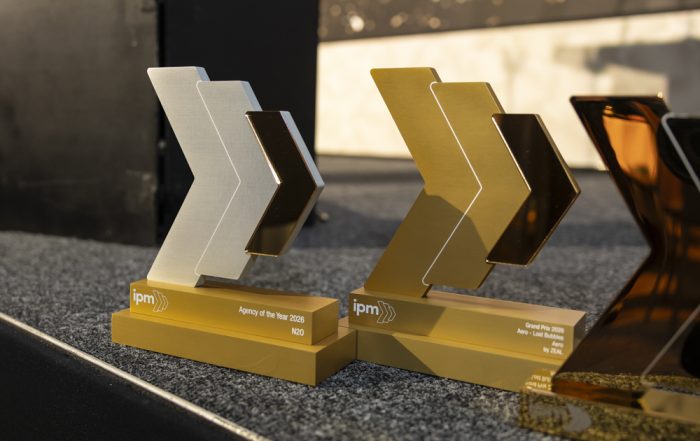
Celebrate the stars of promotional marketing at the IPM Awards 2026, where creativity, innovation, and impact take centre stage. Explore all the winners from this year’s IPM Awards.
Experiential Diploma Open Day
A quick IPM recap of What Brits Want from Promotions 3.0, covering key consumer behaviours, motivations and insights shaping effective promotions in 2026.
The IPM Announces New Strategic Partnership with IMA Europe
A quick IPM recap of What Brits Want from Promotions 3.0, covering key consumer behaviours, motivations and insights shaping effective promotions in 2026.
News
IPM Awards 2026 Winners Revealed
Celebrate the stars of promotional marketing at the IPM Awards 2026, where creativity, innovation, and impact take centre stage. Explore all the winners from this year’s IPM Awards.
Experiential Diploma Open Day
A quick IPM recap of What Brits Want from Promotions 3.0, covering key consumer behaviours, motivations and insights shaping effective promotions in 2026.
The IPM Announces New Strategic Partnership with IMA Europe
A quick IPM recap of What Brits Want from Promotions 3.0, covering key consumer behaviours, motivations and insights shaping effective promotions in 2026.