

With UK grocery shoppers spending around £3 in every £10 on promotion, experiential showing up consistently across the country, and food and drink shifting towards clearer end-benefits and usage-led messaging, 2025 did not just hand promotional marketers new trends. It raised the standard. Harry Kelf (IPM) opens with the year’s “look up” moments, from Superman on The Shard to the rise of “AI slop”, tracing the creative patterns that still cut through, especially work built to be held, shared and remembered. Danielle Horsley (Elephants Can’t Jump) unpacks the food and drink reset, where protein went mainstream, fibre started climbing, and indulgence began to behave differently. Nancy Cullen (SpaceandPeople) maps where experiential won, from high-volume sampling in major stations to the cities and categories investing hardest in live space. Sam Winterbourne (IPM) closes on enforcement, joining the dots between AI, HFSS and youth appeal, and the rulings that brought it to life. Together, it’s a wrap on what really moved in 2025 and the clearest signals of the trends already shaping promotional marketing in 2026.

Promotions Wrapped! Playing Back the Biggest Trends of 2025
Superman vs AI Slop
2025 told marketers to look up. Not just because DC perched an 11-foot Superman on The Shard, but because Merriam-Webster named ‘slop’ its Word of the Year, says IPM host Harry Kelf. But while TikTok Shop clocked its biggest UK sales day to date on Black Friday, promotions stayed central to winning the supermarket basket. Kantar reported that close to £3 in every £10 spent on groceries went on promotion, while the IPA Bellwether continued to show budgets shifting towards activity that feels trackable, targetable and tangible.
One of the clearest proofs of object storytelling came from Guinness. “Pint of View” put 2.5 million beer mats out as a literal lens on life, built to spark sharing, and the Guinnbrella extended the same logic further with a pocket-sized prop designed to protect your pint from the rain. Then came Netflix’s The Thursday Murder Club, with hand-knitted postbox toppers and even a knitted billboard, because when everything looks instantly generated, “made by hand” signals trust, effort and character.
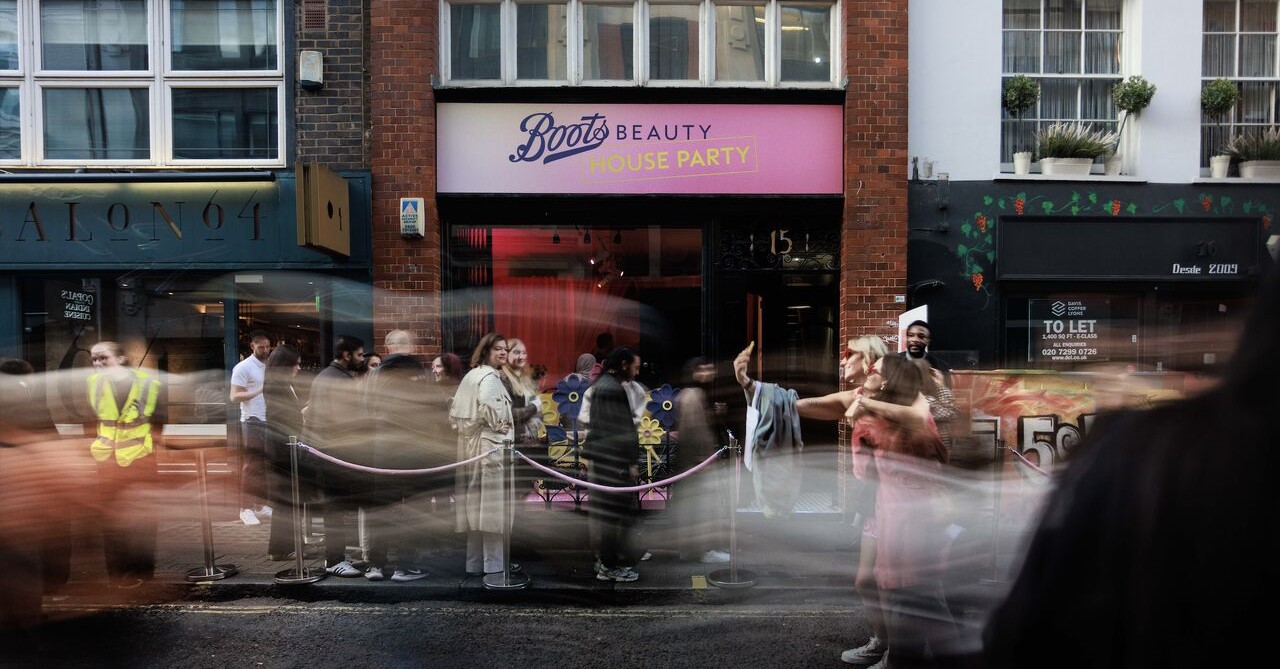
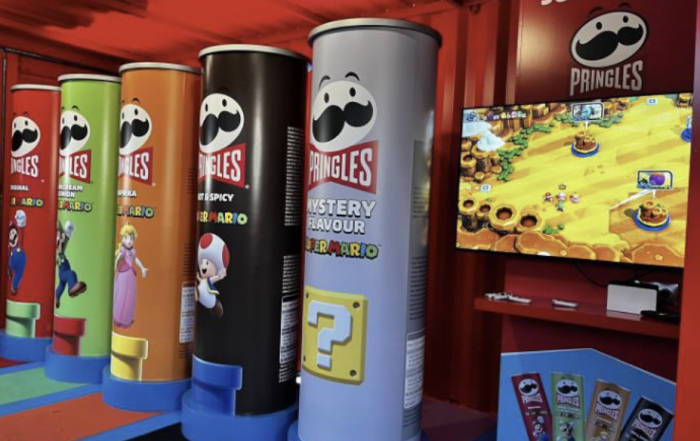
“Another telling signal this year was structural,” says Harry, citing The Wall Street Journal report that found LinkedIn job postings mentioning “storyteller” have doubled year-on-year into the tens of thousands across marketing and comms. But the bigger shift, he says, is how these stories are being told; “treating the audience not as a customer, but as the main character”. Boots staged its Beauty House Party for Gen Z to rekindle relevance, while partnerships kept supplying plot twists, from Babybel × Stranger Things taking over Wycombe Caves to Pringles × Super Mario turning the pack into play through limited-edition tubes and “mystery flavour” guessing.
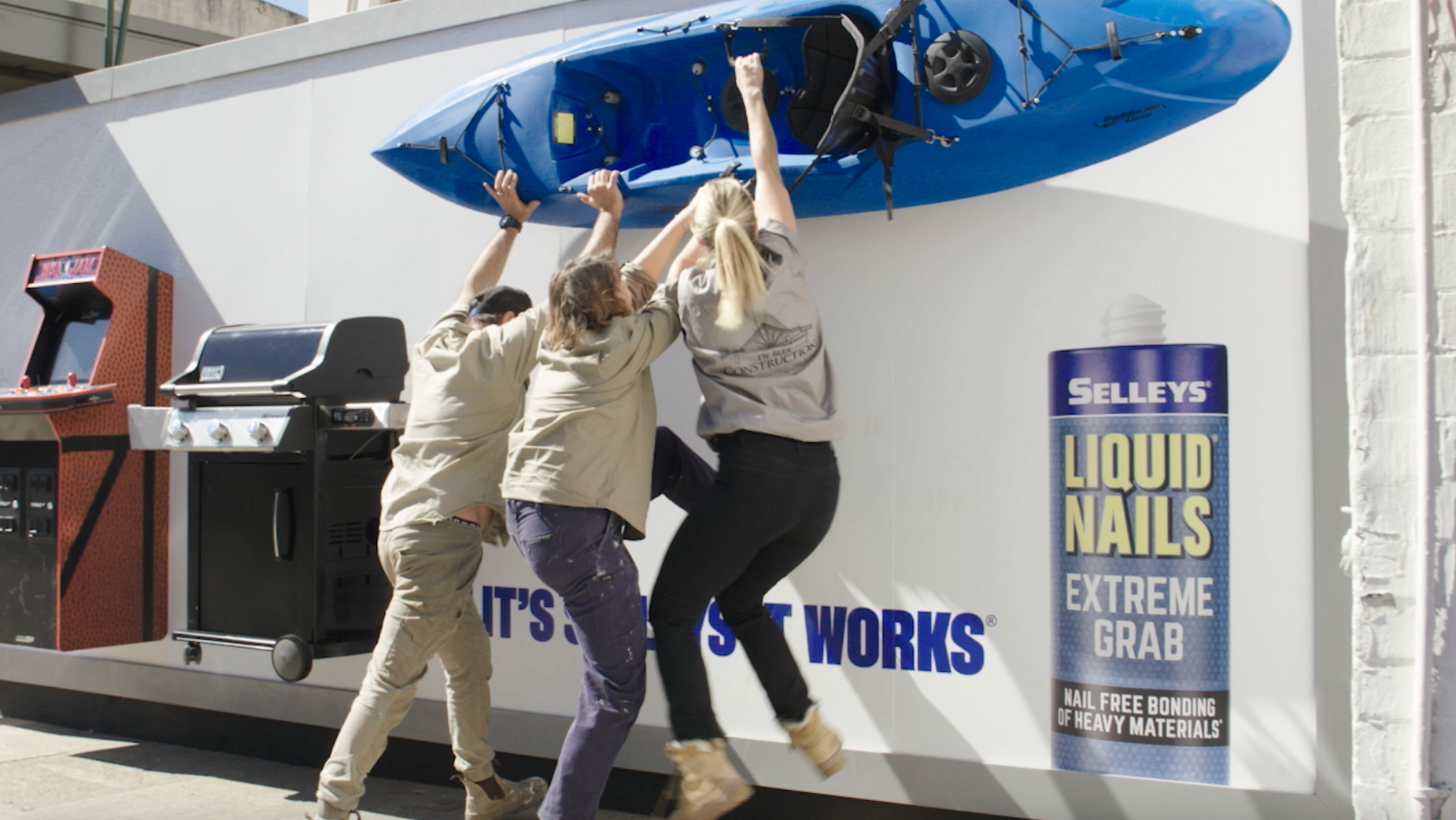
“These stories don’t live in one channel anymore,” Harry adds, as the lines between disciplines continue to blur. Uber Eats’ King’s Cross “Do Nothing for 60 Seconds” started as a live dare and ended in-app through rewards, while Lucozade’s Ice Kick Vault used social clues from creators to pull people into a real-world treasure hunt for prizes and new product access. Selleys then turned an OOH billboard into a hands on demo for Liquid Nails glue, strapping a kayak, an arcade machine and even a mounted marlin to the frame and telling the public, “If you can take it, it’s yours.” People pulled, tugged and attacked, and nothing budged. The billboard became a battleground, and failure was the product proof.
Superman vs AI Slop
2025 told marketers to look up. Not just because DC perched an 11-foot Superman on The Shard, but because Merriam-Webster named ‘slop’ its Word of the Year, says IPM host Harry Kelf. But while TikTok Shop clocked its biggest UK sales day to date on Black Friday, promotions stayed central to winning the supermarket basket. Kantar reported that close to £3 in every £10 spent on groceries went on promotion, while the IPA Bellwether continued to show budgets shifting towards activity that feels trackable, targetable and tangible.
One of the clearest proofs of object storytelling came from Guinness. “Pint of View” put 2.5 million beer mats out as a literal lens on life, built to spark sharing, and the Guinnbrella extended the same logic further with a pocket-sized prop designed to protect your pint from the rain. Then came Netflix’s The Thursday Murder Club, with hand-knitted postbox toppers and even a knitted billboard, because when everything looks instantly generated, “made by hand” signals trust, effort and character.
“Another telling signal this year was structural,” says Harry, citing The Wall Street Journal report that found LinkedIn job postings mentioning “storyteller” have doubled year-on-year into the tens of thousands across marketing and comms. But the bigger shift, he says, is how these stories are being told; “treating the audience not as a customer, but as the main character”. Boots staged its Beauty House Party for Gen Z to rekindle relevance, while partnerships kept supplying plot twists, from Babybel × Stranger Things taking over Wycombe Caves to Pringles × Super Mario turning the pack into play through limited-edition tubes and “mystery flavour” guessing.
“These stories don’t live in one channel anymore,” Harry adds, as the lines between disciplines continue to blur. Uber Eats’ King’s Cross “Do Nothing for 60 Seconds” started as a live dare and ended in-app through rewards, while Lucozade’s Ice Kick Vault used social clues from creators to pull people into a real-world treasure hunt for prizes and new product access. Selleys then turned an OOH billboard into a hands on demo for Liquid Nails glue, strapping a kayak, an arcade machine and even a mounted marlin to the frame and telling the public, “If you can take it, it’s yours.” People pulled, tugged and attacked, and nothing budged. The billboard became a battleground, and failure was the product proof.
Protein to Fibre, The Functional Era
“The good news for 2025,” Danielle Horsley (Elephants Can’t Jump) told the room, “Is that food and drink is adapting for the better.” Her clearest headline was functional foods, a market she said is projected to grow by around 8% year on year, as shoppers keep reaching for products that promise an outcome, not just a flavour. “Shoppers are choosing products that promise an outcome, not just a flavour,” she explained, and protein is the cleanest proof point. It “continues to power on” but no longer lives in shakes and gym culture. It is creeping into everyday formats, from lattes and breakfast through to pasta and convenience. M&S is the proof point she uses to show the pace. Demand has been strong enough for the retailer to double its protein ready-meals range.
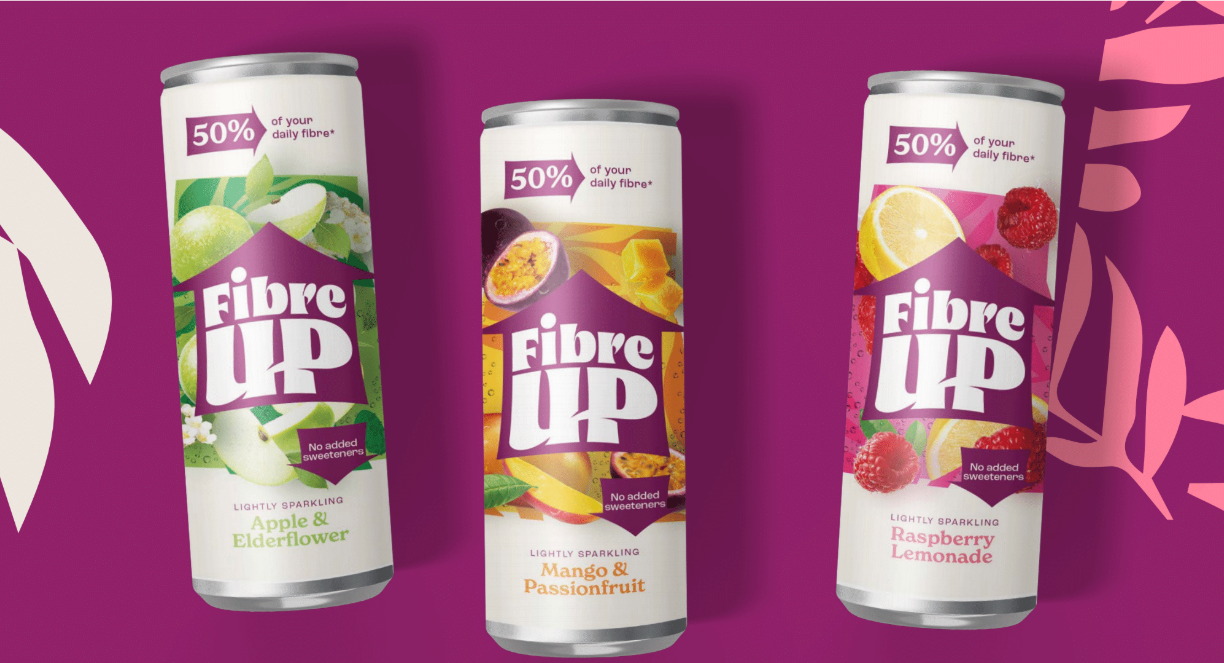
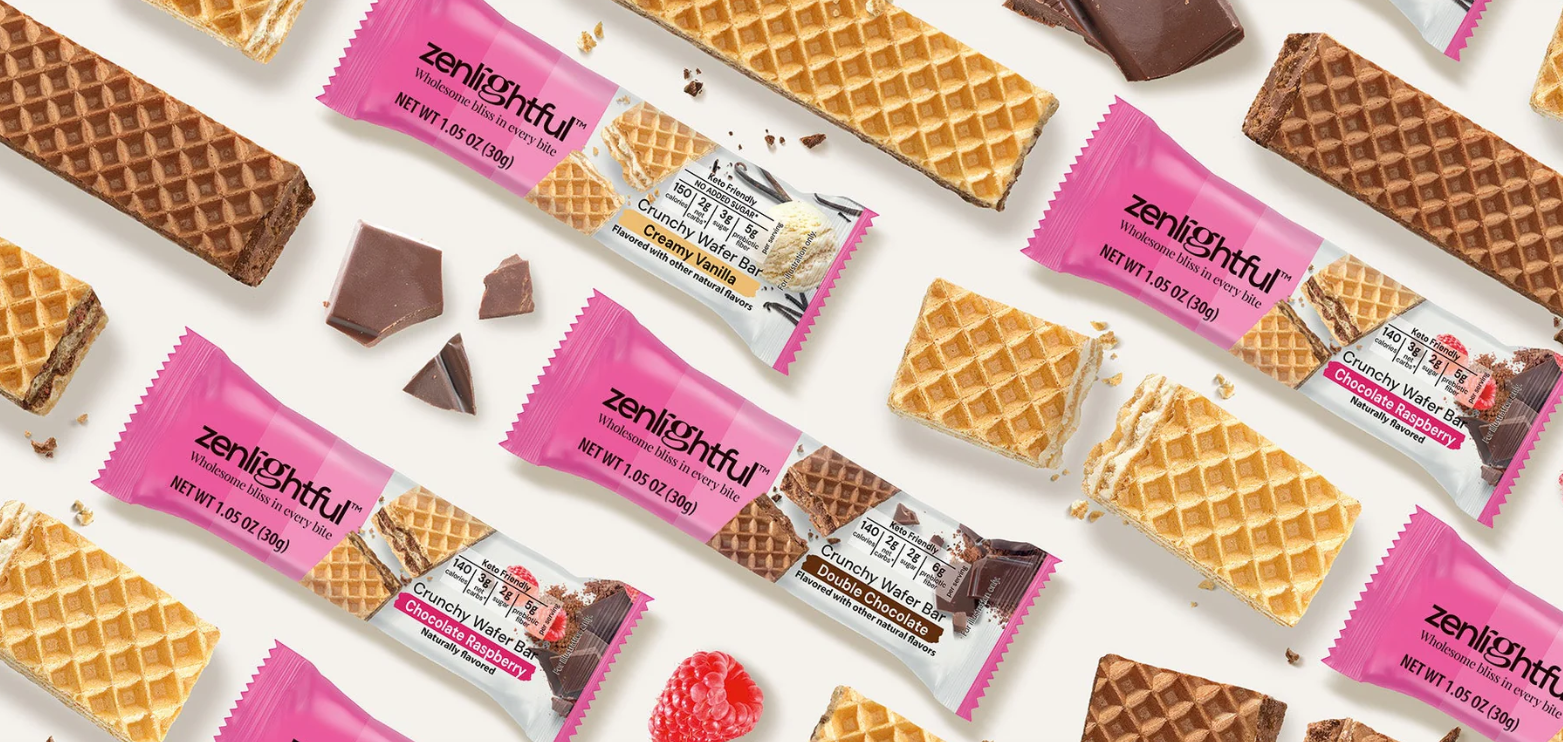
Fibre, she suggests, is the next cue to follow that trajectory, with high-fibre claims up around 30% year on year in France and elsewhere in Europe, and new formats like Fibre Up turning fibre into a drinkable routine. The same “useful wins” logic shows up in how brands talk, too, from Graza labelling oils by how you cook with them, to Waitrose using recipe prompts at shelf, to Napolina demystifying chopped tomato formats. Even challenger growth fits the pattern. Heritage brands like Lurpak are being “nipped at the heels” by names like All Things Butter, Tony’s Chocolonely and Trip, winning by being clearer and more specific about the role they play in everyday life.
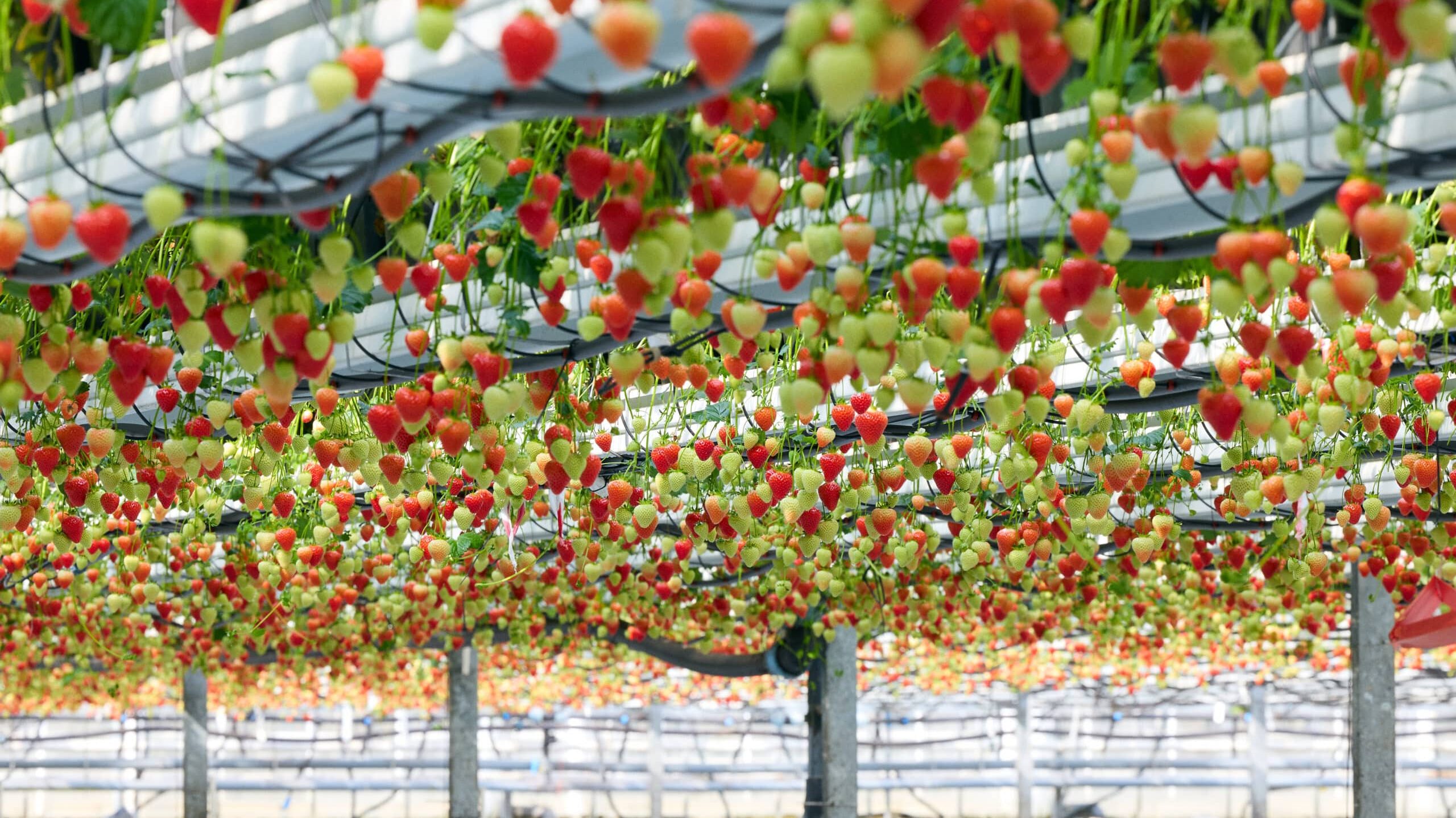
She also flags a renewed pull towards “local” and “seasonal” as a trust cue, pointing to British strawberries now being available all year round, with The Summer Berry Company in the Midlands using advanced growing tech, including LED lighting, to protect taste and quality while keeping supply closer to home.
Danielle’s final point is that indulgence has not disappeared, but it is changing, fast. “You can’t really talk about indulgence without talking about weight-loss drugs,” she said, pointing to around 2.5 million people in the UK now using them, with roughly a million starting in the last six months and pill formats likely widening uptake again. The impact is not simply people “treating less”, she argued, but cravings shifting, with smaller portions and smaller snacking rising, and a predicted 5% drop in the sugary indulgence market as an early directional signal. Her takeaway for marketers is clear. If indulgence is becoming more intentional, brands have to become more useful, with clearer end-benefit and usage-led communication that helps shoppers choose quickly and use products with confidence.
Protein to Fibre, The Functional Era
“The good news for 2025,” Danielle Horsley (Elephants Can’t Jump) told the room, “Is that food and drink is adapting for the better.” Her clearest headline was functional foods, a market she said is projected to grow by around 8% year on year, as shoppers keep reaching for products that promise an outcome, not just a flavour. “Shoppers are choosing products that promise an outcome, not just a flavour,” she explained, and protein is the cleanest proof point. It “continues to power on” but no longer lives in shakes and gym culture. It is creeping into everyday formats, from lattes and breakfast through to pasta and convenience. M&S is the proof point she uses to show the pace. Demand has been strong enough for the retailer to double its protein ready-meals range.
Fibre, she suggests, is the next cue to follow that trajectory, with high-fibre claims up around 30% year on year in France and elsewhere in Europe, and new formats like Fibre Up turning fibre into a drinkable routine. The same “useful wins” logic shows up in how brands talk, too, from Graza labelling oils by how you cook with them, to Waitrose using recipe prompts at shelf, to Napolina demystifying chopped tomato formats. Even challenger growth fits the pattern. Heritage brands like Lurpak are being “nipped at the heels” by names like All Things Butter, Tony’s Chocolonely and Trip, winning by being clearer and more specific about the role they play in everyday life.
She also flags a renewed pull towards “local” and “seasonal” as a trust cue, pointing to British strawberries now being available all year round, with The Summer Berry Company in the Midlands using advanced growing tech, including LED lighting, to protect taste and quality while keeping supply closer to home.
Danielle’s final point is that indulgence has not disappeared, but it is changing, fast. “You can’t really talk about indulgence without talking about weight-loss drugs,” she said, pointing to around 2.5 million people in the UK now using them, with roughly a million starting in the last six months and pill formats likely widening uptake again. The impact is not simply people “treating less”, she argued, but cravings shifting, with smaller portions and smaller snacking rising, and a predicted 5% drop in the sugary indulgence market as an early directional signal. Her takeaway for marketers is clear. If indulgence is becoming more intentional, brands have to become more useful, with clearer end-benefit and usage-led communication that helps shoppers choose quickly and use products with confidence.
Where Experiential Won in 2025
Speaking from SpaceandPeople’s vantage point, Nancy Cullen puts a clear number on the scale of the market. The team books “about £10 million worth of space alone, per annum”, and their year-on-year growth reinforces the same direction of travel. Brands are still choosing live activity, she says, because it puts them “face to face with consumers” and creates the kind of “emotional connection” other channels struggle to replicate.
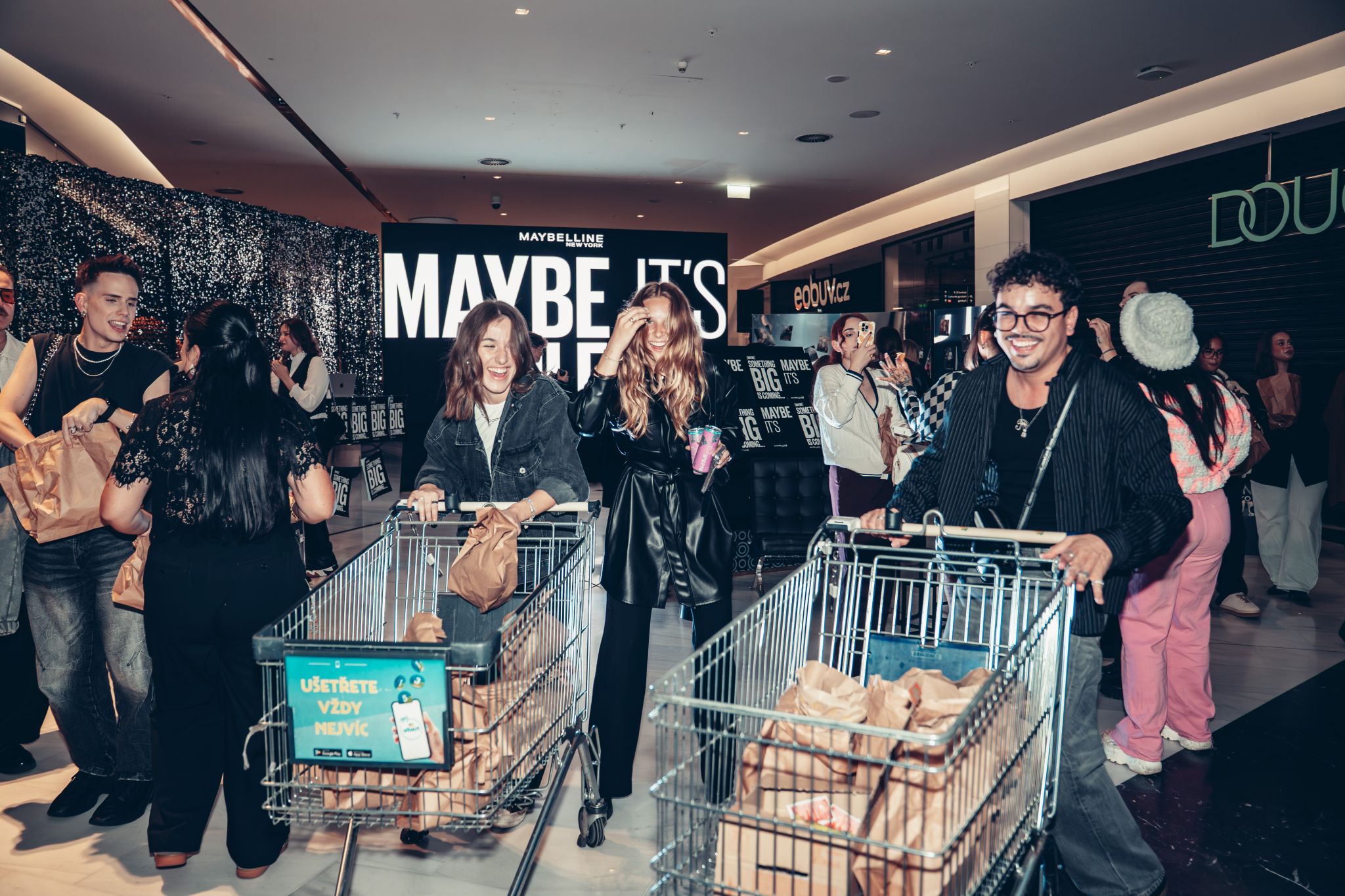
Her story of 2025 starts with what she calls “a big upswing in sampling”. At major UK railway stations, she says teams can be distributing up to 40,000 samples a day, spanning customer acquisition, pop-up retail and live stunts. That growth cuts across categories, from household products and pet food through to high-end beauty and wellness. Beauty is the standout in her data. Space and People “doubled the number of beauty bookings in H2”, and Nancy frames it as brands using experiential to drive footfall, build confidence quickly and sell directly from the stand, from premium players through to Maybelline, L’Oréal and Soap and Glory.
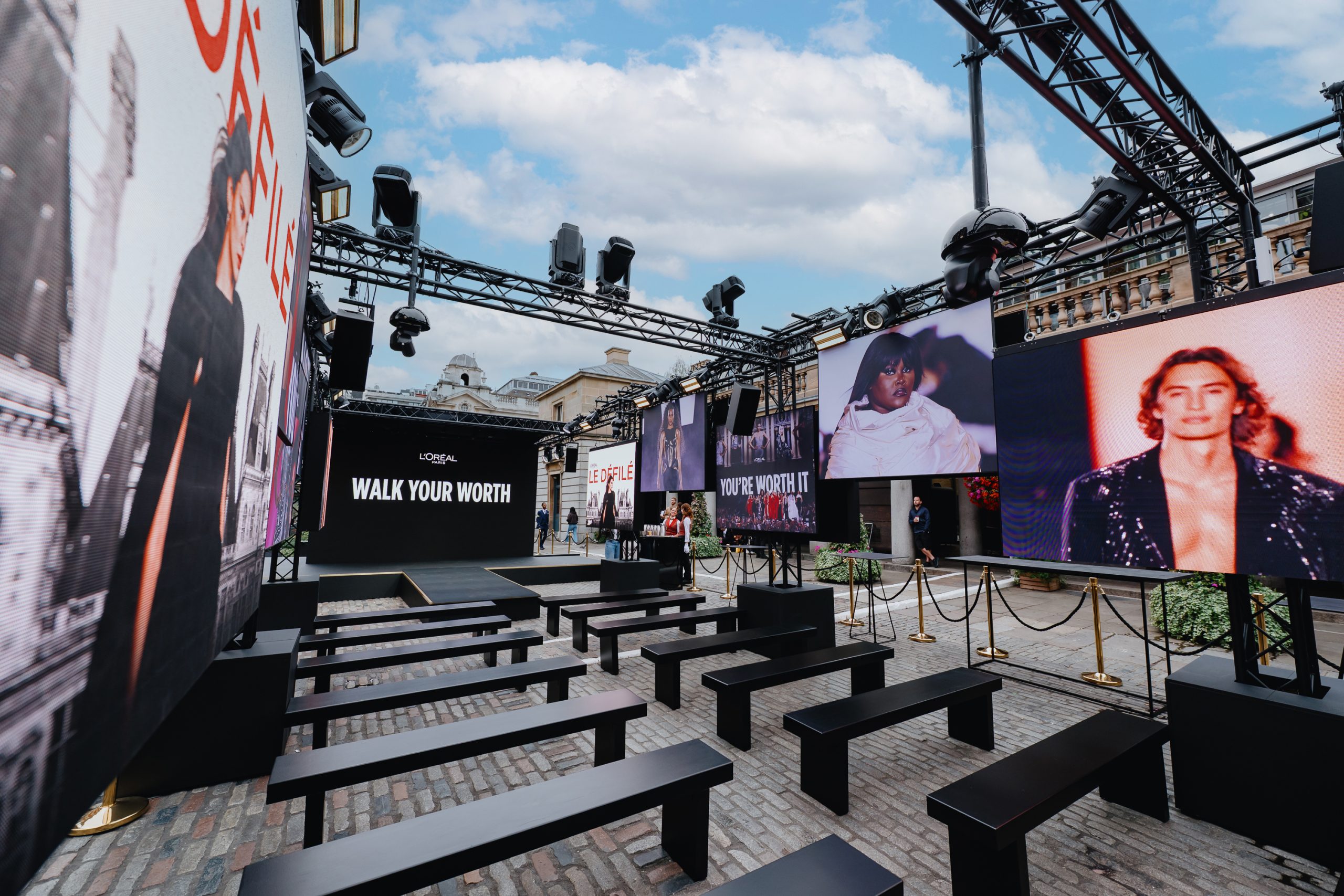
Geography matters too. London remains “the core destination for experiential”, she says, spanning everything from major railway station frontage to the South Bank and Covent Garden. “Activating in London is a sign of confidence and of intent,” she adds. Manchester is the “very clear second city”, and she notes it has now crept past Birmingham for the first time, helped by strong student numbers and a reputation as a place brand can trial formats before rolling them out nationwide. Birmingham, Leeds and Liverpool form the next tier, and venue-wise, shopping centres and travel hubs are “evenly split at the top”, with universities also a consistent part of the mix.
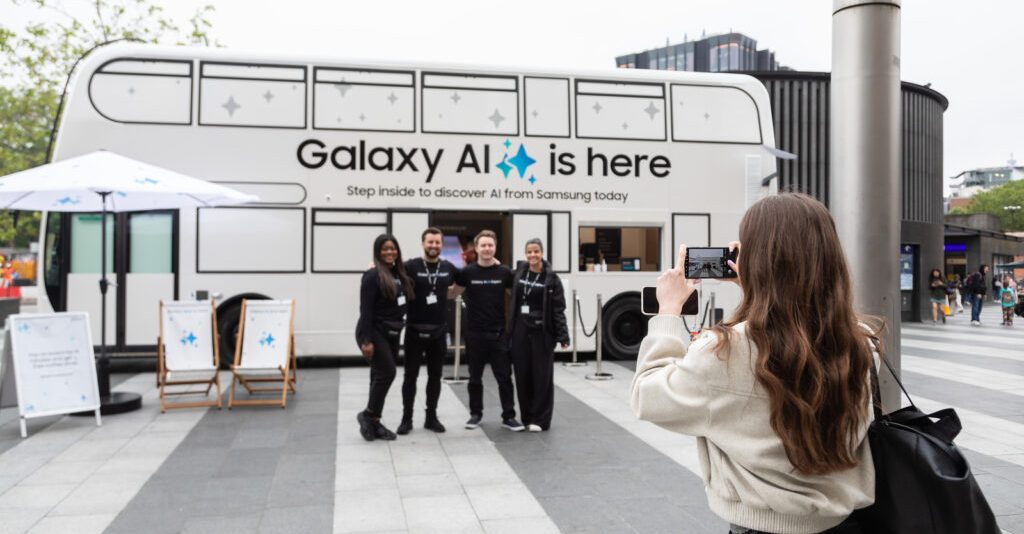
One of Nancy’s clearest signals for 2026 sits in tech and streaming, where brands are using live space to make the intangible tangible. She lists names including Samsung, Netflix, Audible, Virgin, Spotify, Adobe, Google and Disney+, and argues that “giving consumers a hands-on experience seems to be the route moving forward for tech brands”. Samsung is her headline example, “a huge campaign with 84 bookings”, spanning 57 venues in 27 cities and 297 live activations. The same instinct is driving newer names into the real world too, with OpenAI launching ChatGPT’s first large-scale brand campaign, signalling that tech brands are increasingly building familiarity through physical presence. For Nancy, it all reinforces the wider shift: “experiential is being planned less as a one-off and more as a scalable, repeatable system”.
“One of the clearest signals for 2026 sits in tech and streaming, where brands are using live space to make the intangible feel human and hands on.”
Where Experiential Won in 2025
Speaking from SpaceandPeople’s vantage point, Nancy Cullen puts a clear number on the scale of the market. The team books “about £10 million worth of space alone, per annum”, and their year-on-year growth reinforces the same direction of travel. Brands are still choosing live activity, she says, because it puts them “face to face with consumers” and creates the kind of “emotional connection” other channels struggle to replicate.
Her story of 2025 starts with what she calls “a big upswing in sampling”. At major UK railway stations, she says teams can be distributing up to 40,000 samples a day, spanning customer acquisition, pop-up retail and live stunts. That growth cuts across categories, from household products and pet food through to high-end beauty and wellness. Beauty is the standout in her data. Space and People “doubled the number of beauty bookings in H2”, and Nancy frames it as brands using experiential to drive footfall, build confidence quickly and sell directly from the stand, from premium players through to Maybelline, L’Oréal and Soap and Glory.
Geography matters too. London remains “the core destination for experiential”, she says, spanning everything from major railway station frontage to the South Bank and Covent Garden. “Activating in London is a sign of confidence and of intent,” she adds. Manchester is the “very clear second city”, and she notes it has now crept past Birmingham for the first time, helped by strong student numbers and a reputation as a place brand can trial formats before rolling them out nationwide. Birmingham, Leeds and Liverpool form the next tier, and venue-wise, shopping centres and travel hubs are “evenly split at the top”, with universities also a consistent part of the mix.
One of Nancy’s clearest signals for 2026 sits in tech and streaming, where brands are using live space to make the intangible tangible. She lists names including Samsung, Netflix, Audible, Virgin, Spotify, Adobe, Google and Disney+, and argues that “giving consumers a hands-on experience seems to be the route moving forward for tech brands”. Samsung is her headline example, “a huge campaign with 84 bookings”, spanning 57 venues in 27 cities and 297 live activations. The same instinct is driving newer names into the real world too, with OpenAI launching ChatGPT’s first large-scale brand campaign, signalling that tech brands are increasingly building familiarity through physical presence. For Nancy, it all reinforces the wider shift: “experiential is being planned less as a one-off and more as a scalable, repeatable system”.
“One of the clearest signals for 2026 sits in tech and streaming, where brands are using live space to make the intangible feel human and hands on.”
Same Rules, Different Mood
If Danielle and Nancy mapped where promotions grew in 2025, Sam Winterbourne (IPM) closed the session by showing where tolerance tightened. His one-line summary was simple: “Same rules, very different mood.” It was not about shiny new rules, but new expectations. Promotions now sit at the crossroads of data capture, retail media, influencer content and real-world mechanics, so a single campaign can invite scrutiny from multiple angles at once. CAP’s message was clear: using AI does not outsource responsibility, and “the AI wrote it” is not a defence if a claim is misleading, exaggerated, unverifiable or simply wrong.
He also flagged how regulators are scaling enforcement. The ASA’s Active Ad Monitoring system scanned 28 million ads in 2024 and is on track to reach 50 million a year by the end of 2025. In parallel, its influencer disclosure work found only around 57% of influencer ads were properly disclosed, which is progress, but still not the level of compliance regulators want to see.
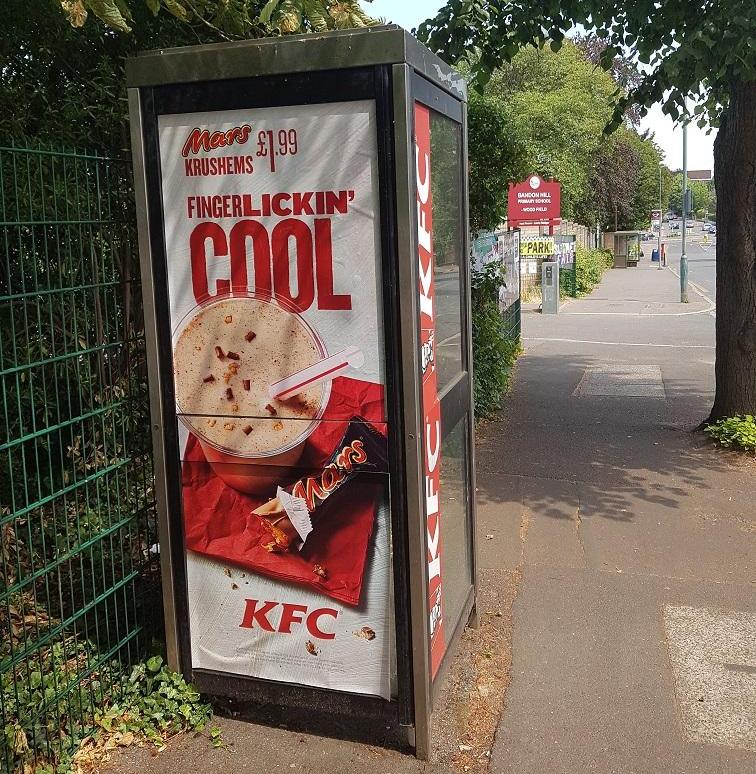
The main course was always HFSS and less healthy food, which Sam called “the regulatory elephant in the room.” After the ASA’s updated guidance in December, his message was direct: “The preparation phase is over.” In Sam’s view, the real test is recognisability. If an asset is recognisable to the average consumer, the rules are likely to apply, and it is rarely just about a pack shot. Branding, colourways, mascots and taglines can pull you into scope even when the product itself is not front and centre.
He described October’s voluntary phase as polarising. Some brands moved early into brand-only territory, with legacy names like Cadbury leaning into the milk bottle and the colour purple rather than the bar itself. Others treated it as a last push before January, a “last hurrah” to maximise share while they still could. Sam’s warning was simple. A last hurrah does not disappear when January arrives. It becomes the evidence of how you chose to behave when the industry was asked to move.
“The practical test is recognisability. If an asset looks, sounds, or even feels like a less healthy product to the average consumer, the rules can bite. It is not just pack shots that trigger scope.”
Same Rules, Different Mood
If Danielle and Nancy mapped where promotions grew in 2025, Sam Winterbourne (IPM) closed the session by showing where tolerance tightened. His one-line summary was simple: “Same rules, very different mood.” It was not about shiny new rules, but new expectations. Promotions now sit at the crossroads of data capture, retail media, influencer content and real-world mechanics, so a single campaign can invite scrutiny from multiple angles at once. CAP’s message was clear: using AI does not outsource responsibility, and “the AI wrote it” is not a defence if a claim is misleading, exaggerated, unverifiable or simply wrong.
He also flagged how regulators are scaling enforcement. The ASA’s Active Ad Monitoring system scanned 28 million ads in 2024 and is on track to reach 50 million a year by the end of 2025. In parallel, its influencer disclosure work found only around 57% of influencer ads were properly disclosed, which is progress, but still not the level of compliance regulators want to see.
The main course was always HFSS and less healthy food, which Sam called “the regulatory elephant in the room.” After the ASA’s updated guidance in December, his message was direct: “The preparation phase is over.” In Sam’s view, the real test is recognisability. If an asset is recognisable to the average consumer, the rules are likely to apply, and it is rarely just about a pack shot. Branding, colourways, mascots and taglines can pull you into scope even when the product itself is not front and centre.
He described October’s voluntary phase as polarising. Some brands moved early into brand-only territory, with legacy names like Cadbury leaning into the milk bottle and the colour purple rather than the bar itself. Others treated it as a last push before January, a “last hurrah” to maximise share while they still could. Sam’s warning was simple. A last hurrah does not disappear when January arrives. It becomes the evidence of how you chose to behave when the industry was asked to move.
“The practical test is recognisability. If an asset looks, sounds, or even feels like a less healthy product to the average consumer, the rules can bite. It is not just pack shots that trigger scope.”
That’s a Wrap!
Promotions Wrapped 2025 brought the year into focus through three practical lenses. From Guinness turning a beer mat into media you can hold, to protein moving into everyday formats and fibre starting to climb, to the proof points behind experiential’s momentum in stations, cities and scalable programmes, the common thread was clear. The work that wins now is built to be useful, tangible and accountable, and 2026 planning starts with the detail, especially with HFSS tightening from 5 January. Thank you to Danielle Horsley, Nancy Cullen and Sam Winterbourne for helping shape the landscape we are heading into, and for pinning down what changed, not just what happened. If you missed the session, or want to replay the examples and case studies, the full webinar is available now on the IPM Member Dashboard. And with 2026 around the corner, this is the perfect moment to turn 2025’s wrap into a sharper plan for the year ahead. We look forward to seeing you at our next IPM webinar.
That’s a Wrap!
Promotions Wrapped 2025 brought the year into focus through three practical lenses. From Guinness turning a beer mat into media you can hold, to protein moving into everyday formats and fibre starting to climb, to the proof points behind experiential’s momentum in stations, cities and scalable programmes, the common thread was clear. The work that wins now is built to be useful, tangible and accountable, and 2026 planning starts with the detail, especially with HFSS tightening from 5 January. Thank you to Danielle Horsley, Nancy Cullen and Sam Winterbourne for helping shape the landscape we are heading into, and for pinning down what changed, not just what happened. If you missed the session, or want to replay the examples and case studies, the full webinar is available now on the IPM Member Dashboard. And with 2026 around the corner, this is the perfect moment to turn 2025’s wrap into a sharper plan for the year ahead. We look forward to seeing you at our next IPM webinar.
News
What the Mando White Paper Told Us About Promotions in 2026
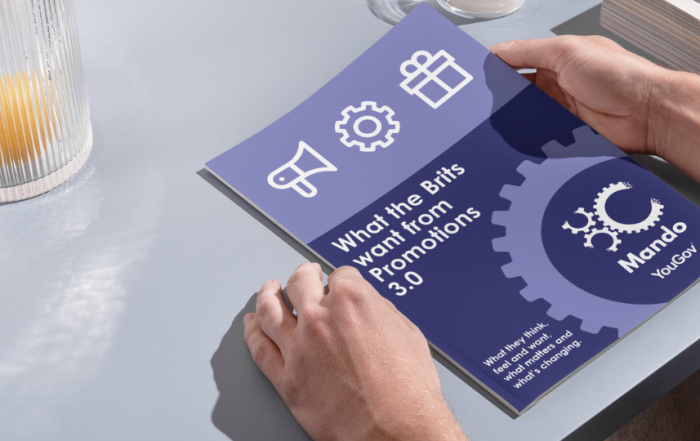
A quick IPM recap of What Brits Want from Promotions 3.0, covering key consumer behaviours, motivations and insights shaping effective promotions in 2026.
How to get comfortable running promotions in Europe Recap
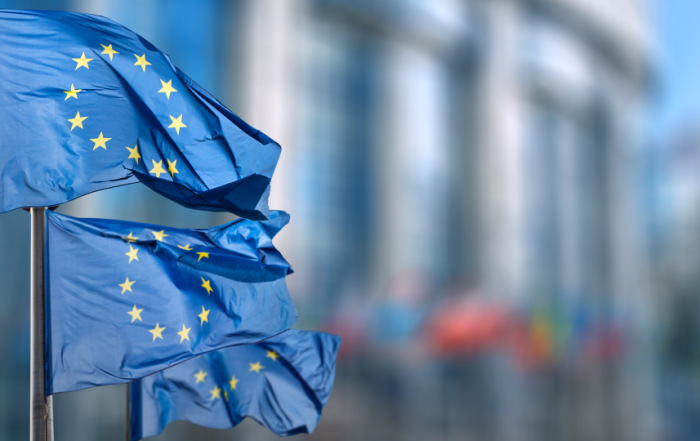
A quick IPM recap on running promotions in Europe, covering the key watch outs around mechanics, timelines, filings, translation, tax, and fulfilment.
Pringles × Super Mario: The Boss Level Brand Partnership That Won the IPM Grand Prix
Brand Culture, last year’s IPM Grand Prix winners, reveal how Pringles × Super Mario turned a brand partnership into shelf-side excitement, from the Mystery Flavour “question block” idea to collectable character cans.
News
What the Mando White Paper Told Us About Promotions in 2026
A quick IPM recap of What Brits Want from Promotions 3.0, covering key consumer behaviours, motivations and insights shaping effective promotions in 2026.
How to get comfortable running promotions in Europe Recap
A quick IPM recap on running promotions in Europe, covering the key watch outs around mechanics, timelines, filings, translation, tax, and fulfilment.
Pringles × Super Mario: The Boss Level Brand Partnership That Won the IPM Grand Prix
Brand Culture, last year’s IPM Grand Prix winners, reveal how Pringles × Super Mario turned a brand partnership into shelf-side excitement, from the Mystery Flavour “question block” idea to collectable character cans.