

Promotions are still one of the most effective tools in the marketing mix, but the latest webinar with Mando showed that success in 2026 depends on more than simple appeal.
From repeat mechanics and loyalty to on-pack visibility and gamification, the session unpacked what British consumers really want from promotions now, and what marketers should do with that insight.

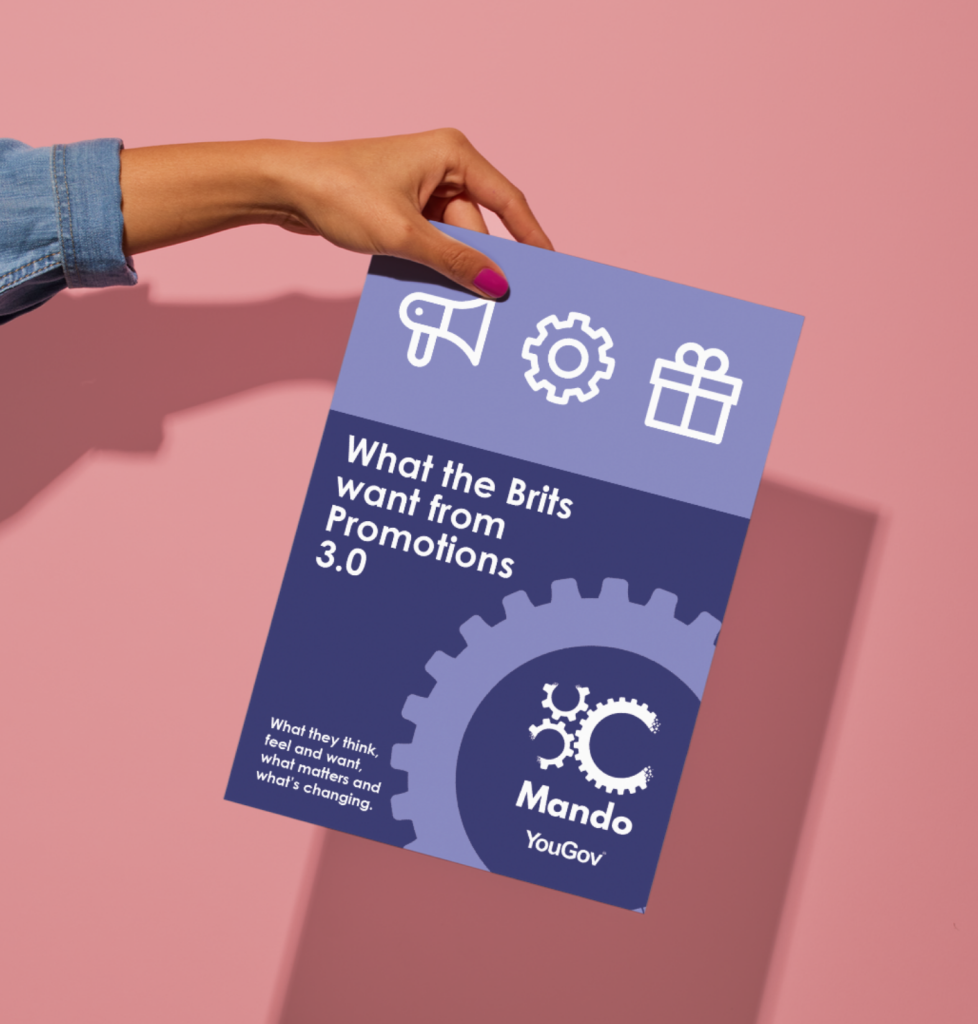
Promotions Still Pack a Punch: Key Insights from Mando’s Latest White Paper
What Brits Want from Promotions 3.0 Recap
Promotions are not fading into the background. They are still one of the clearest ways brands can drive action, reward loyalty and stay visible in a crowded market. But as the IPM’s latest webinar with Mando made clear, the promotions that cut through in 2026 are not simply the loudest. They are the ones built around what people actually want.
Drawing on fresh YouGov data and Mando’s own campaign performance insight, What Brits Want from Promotions 3.0 offered a timely look at how British consumers really think, feel and behave when it comes to promotions. The session moved beyond the usual question of whether promotions still work. The answer to that was clear from the outset. They do. The more useful question was why they work, what shapes participation, and how marketers can build stronger campaigns from that insight.
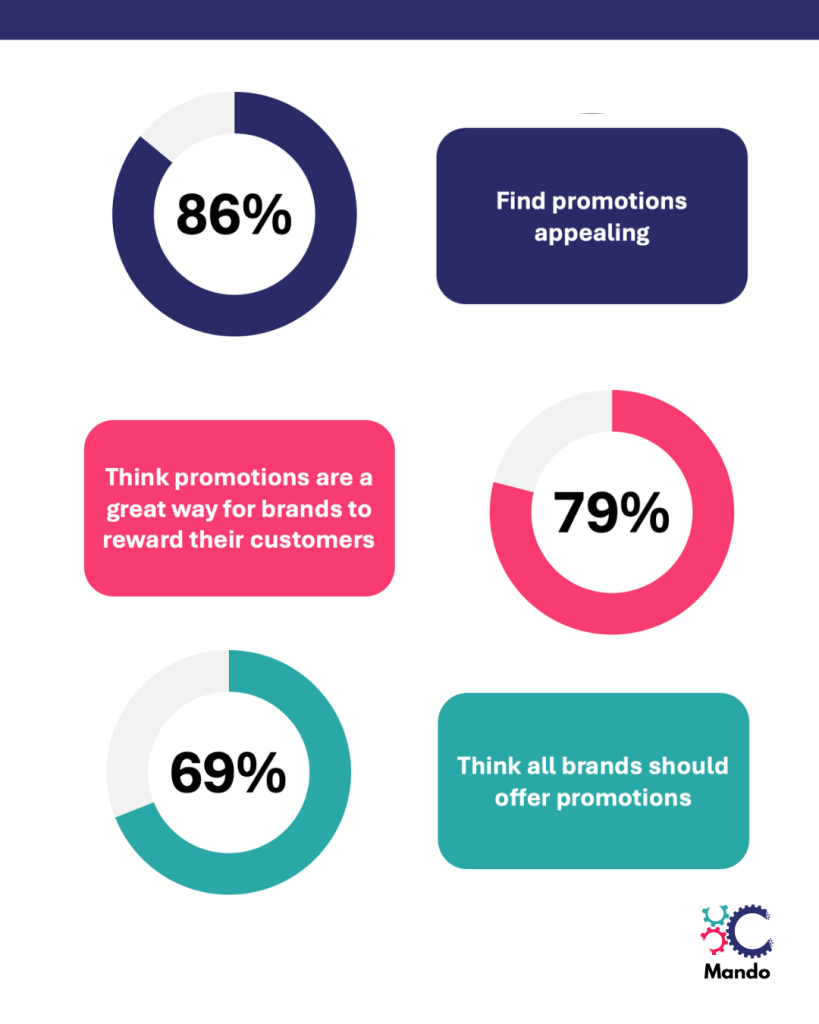
The headline picture was hard to ignore. Brits continue to see promotions as a positive part of the brand experience, with strong appeal and rising participation showing that this remains a highly effective part of the marketing mix. In a climate where brands are under pressure to prove value quickly, that matters.
Why people still engage
What stood out in the discussion was not just that people like promotions, but why. Brits engage because promotions still feel like a smart choice. They like getting a good deal, getting something for nothing, and feeling they have little to lose by taking part. That sense of savviness remains a powerful driver, and it gives marketers a useful lens through which to judge their own work.
If the value exchange is not obvious, consumers quickly lose interest. If the mechanic feels overcomplicated, the entry route feels too long, or the reward does not justify the effort, the campaign starts to weaken. The promotions that perform best are often the ones that make the benefit feel immediate and the path to entry feel easy.
That fed directly into one of the webinar’s most practical themes. For all the appetite for innovation, the mechanics that continue to perform strongly are still grounded in tangible value. Money off, cashback and gift with purchase remain highly appealing, while instant win and prize draws continue to hold their own. The point was not that brands should avoid trying something new. It was that consumers make a fast calculation about whether a promotion feels worth their time, and value still tends to win.
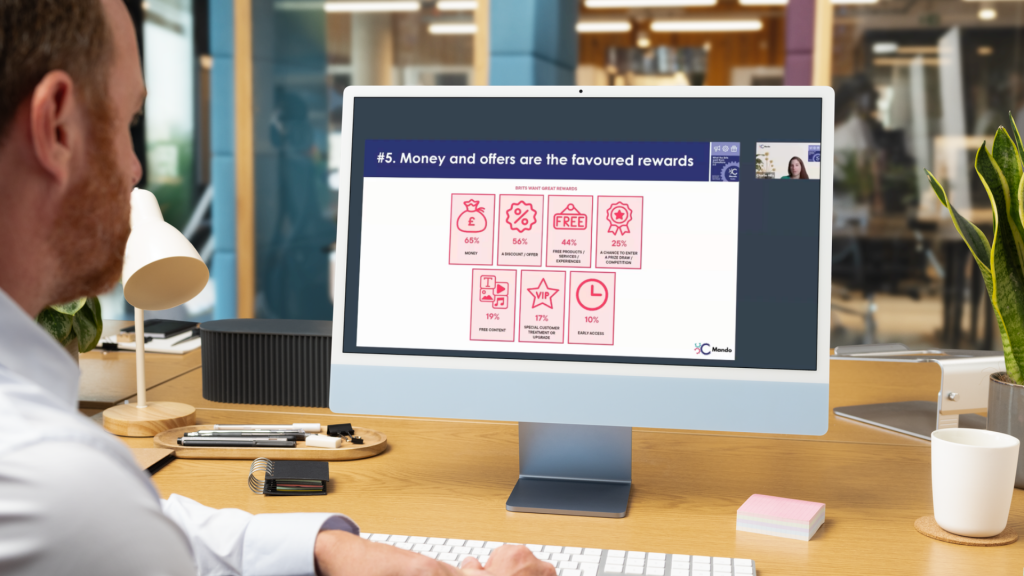
The same logic carried through into rewards. Money and offers remain the most wanted prize types, ahead of more elaborate or aspirational options. One of the more useful observations from the session was that the biggest sounding reward is not always the one that works hardest. Holidays and vehicles may carry headline appeal, but practical realities can quickly dilute that. The strongest reward is often the one that feels most relevant, easiest to enjoy and simplest to redeem.
What Brits Want from Promotions 3.0 Recap
Promotions are not fading into the background. They are still one of the clearest ways brands can drive action, reward loyalty and stay visible in a crowded market. But as the IPM’s latest webinar with Mando made clear, the promotions that cut through in 2026 are not simply the loudest. They are the ones built around what people actually want.
Drawing on fresh YouGov data and Mando’s own campaign performance insight, What Brits Want from Promotions 3.0 offered a timely look at how British consumers really think, feel and behave when it comes to promotions. The session moved beyond the usual question of whether promotions still work. The answer to that was clear from the outset. They do. The more useful question was why they work, what shapes participation, and how marketers can build stronger campaigns from that insight.
The headline picture was hard to ignore. Brits continue to see promotions as a positive part of the brand experience, with strong appeal and rising participation showing that this remains a highly effective part of the marketing mix. In a climate where brands are under pressure to prove value quickly, that matters.
Why people still engage
What stood out in the discussion was not just that people like promotions, but why. Brits engage because promotions still feel like a smart choice. They like getting a good deal, getting something for nothing, and feeling they have little to lose by taking part. That sense of savviness remains a powerful driver, and it gives marketers a useful lens through which to judge their own work.
If the value exchange is not obvious, consumers quickly lose interest. If the mechanic feels overcomplicated, the entry route feels too long, or the reward does not justify the effort, the campaign starts to weaken. The promotions that perform best are often the ones that make the benefit feel immediate and the path to entry feel easy.
That fed directly into one of the webinar’s most practical themes. For all the appetite for innovation, the mechanics that continue to perform strongly are still grounded in tangible value. Money off, cashback and gift with purchase remain highly appealing, while instant win and prize draws continue to hold their own. The point was not that brands should avoid trying something new. It was that consumers make a fast calculation about whether a promotion feels worth their time, and value still tends to win.
The same logic carried through into rewards. Money and offers remain the most wanted prize types, ahead of more elaborate or aspirational options. One of the more useful observations from the session was that the biggest sounding reward is not always the one that works hardest. Holidays and vehicles may carry headline appeal, but practical realities can quickly dilute that. The strongest reward is often the one that feels most relevant, easiest to enjoy and simplest to redeem.
Where promotions work harder
Another strong thread running through the webinar was communication, and more specifically, where promotions actually get noticed. Email and social media both continue to play an important role, but on-pack still stands out as one of the strongest drivers of engagement. That is an important reminder at a time when so much attention is focused on digital channels alone.
On pack does more than capture attention at the shelf. It reinforces the promotion again during consumption, giving brands another moment to prompt action. Mando’s data also showed that removing the on-pack can significantly reduce participation, underlining just how valuable that physical touchpoint remains. For promotional marketers, it was a useful reminder that owned and controllable channels still do a great deal of heavy lifting.
The webinar also made a compelling case for thinking longer term. Repeat promotions are not necessarily a sign of creative fatigue. In many cases, they are a sign that a campaign has the foundations to keep building. Once a mechanic has been developed, tested and understood, brands are in a stronger position to refine it, while consumers are more likely to recognise it and engage with confidence. Familiarity, when handled well, can become a real advantage.
That thinking also applies to loyalty. Consumers already in loyalty programmes are more likely to engage with promotions and more likely to view them as a positive reward from brands. That creates a clear opportunity for marketers to stop treating promotions and loyalty as separate tracks. Used together, they can strengthen retention, add value for members and create more meaningful reasons to stay engaged.
What is growing in importance
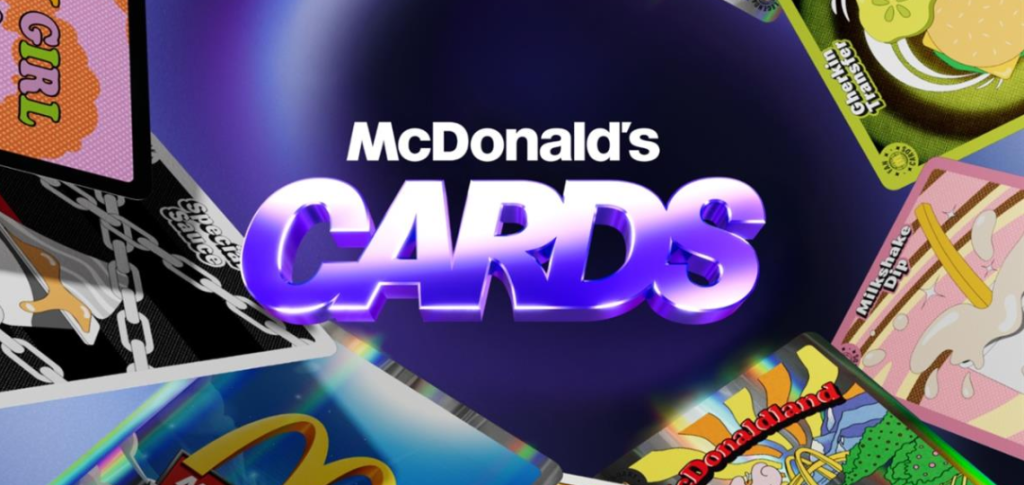
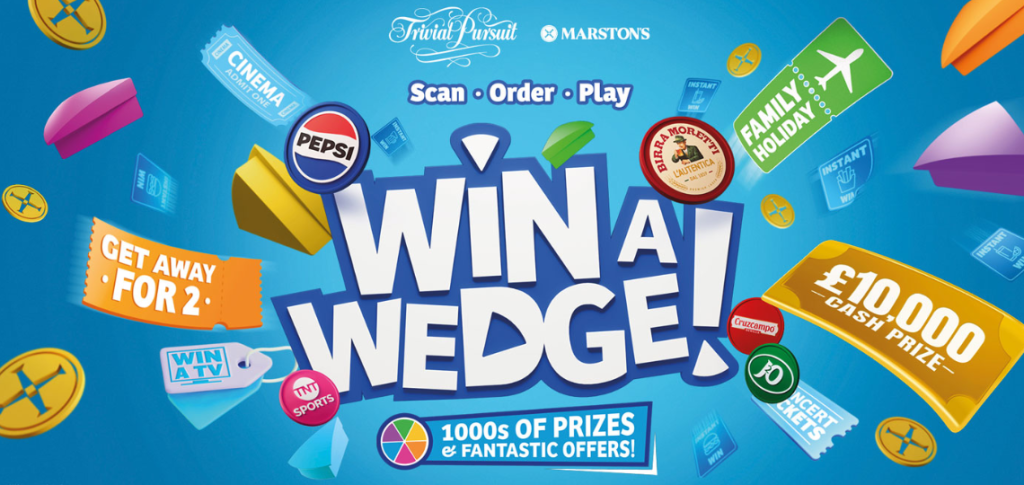
One of the freshest parts of the webinar was the focus on gamification. More than half of Brits now take part in gamified promotions, and Mando’s own performance data suggests that these mechanics can lift engagement and repeat entries significantly. That does not mean every campaign needs to become a game, but it does speak to the value of interaction, anticipation and enjoyment within the entry experience. When participation feels more engaging, consumers are more likely to stay with it.
The session closed on an important point. Promotions do more than create a short-term spike. They can increase trial, improve noticeability, encourage spend and shopping frequency, and support recommendation, loyalty and emotional connection too. That broader impact matters because it positions promotions not just as a tactical sales lever but as a more strategic tool within the brand mix.
Where promotions work harder
Another strong thread running through the webinar was communication, and more specifically, where promotions actually get noticed. Email and social media both continue to play an important role, but on-pack still stands out as one of the strongest drivers of engagement. That is an important reminder at a time when so much attention is focused on digital channels alone.
On pack does more than capture attention at the shelf. It reinforces the promotion again during consumption, giving brands another moment to prompt action. Mando’s data also showed that removing the on-pack can significantly reduce participation, underlining just how valuable that physical touchpoint remains. For promotional marketers, it was a useful reminder that owned and controllable channels still do a great deal of heavy lifting.
The webinar also made a compelling case for thinking longer term. Repeat promotions are not necessarily a sign of creative fatigue. In many cases, they are a sign that a campaign has the foundations to keep building. Once a mechanic has been developed, tested and understood, brands are in a stronger position to refine it, while consumers are more likely to recognise it and engage with confidence. Familiarity, when handled well, can become a real advantage.
That thinking also applies to loyalty. Consumers already in loyalty programmes are more likely to engage with promotions and more likely to view them as a positive reward from brands. That creates a clear opportunity for marketers to stop treating promotions and loyalty as separate tracks. Used together, they can strengthen retention, add value for members and create more meaningful reasons to stay engaged.
What is growing in importance
One of the freshest parts of the webinar was the focus on gamification. More than half of Brits now take part in gamified promotions, and Mando’s own performance data suggests that these mechanics can lift engagement and repeat entries significantly. That does not mean every campaign needs to become a game, but it does speak to the value of interaction, anticipation and enjoyment within the entry experience. When participation feels more engaging, consumers are more likely to stay with it.
The session closed on an important point. Promotions do more than create a short-term spike. They can increase trial, improve noticeability, encourage spend and shopping frequency, and support recommendation, loyalty and emotional connection too. That broader impact matters because it positions promotions not just as a tactical sales lever but as a more strategic tool within the brand mix.
Questions from the webinar
The questions at the end of the session helped shift the discussion from what Brits want from promotions to what marketers should do with that insight.
One of the strongest points raised was how brands balance short-term impact with longer-term brand building. Charlie Hills’ response was a useful reminder that it is less about choosing one over the other and more about being clear on the objective from the start. A promotion designed to drive trial can still lay the foundations for a longer relationship if brands think carefully about the experience, the reward and what will bring people back.
There was also a practical question around simplicity. Mark Lewis explained that many of the biggest issues still happen in the route to entry. A campaign can have a strong prize and good creative, but if the process feels too long or fragmented, people drop away. His advice was to keep the journey smooth, reduce unnecessary steps, and use tools like URNs where they can make participation easier while still proving purchase.
Another useful question asked what marketers should take from this year’s findings. Beccy Purvis brought it back to the fundamentals: clear value and simplicity still matter most. That means designing promotions that feel easy to enter, rewarding to take part in, and worthwhile beyond a single headline prize.
The final audience question touched on the meaning of “promotions” itself. Charlie made the point that it is more useful to think broadly. Promotions are not one narrow mechanic. They stretch from money off and cashback through to gamified experiences, loyalty-led activity and hybrid models that blend several elements together.
Taken together, the Q and A gave the webinar a useful closing note. Promotions remain highly effective, but the discussion underlined that strong results depend on smart design, clear objectives and a broad view of what promotions can do.
Questions from the webinar
The questions at the end of the session helped shift the discussion from what Brits want from promotions to what marketers should do with that insight.
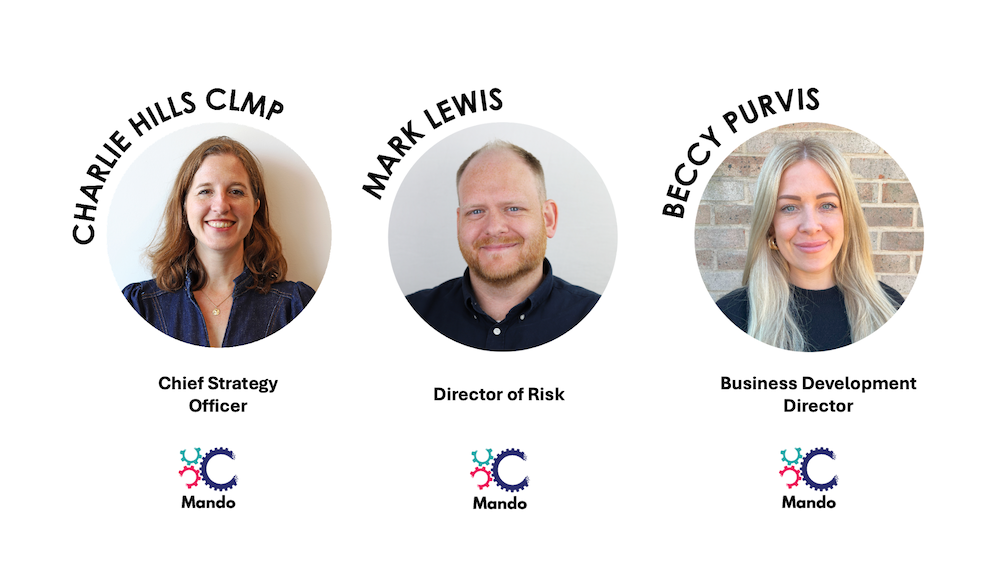
One of the strongest points raised was how brands balance short-term impact with longer-term brand building. Charlie Hills’ response was a useful reminder that it is less about choosing one over the other and more about being clear on the objective from the start. A promotion designed to drive trial can still lay the foundations for a longer relationship if brands think carefully about the experience, the reward and what will bring people back.
There was also a practical question around simplicity. Mark Lewis explained that many of the biggest issues still happen in the route to entry. A campaign can have a strong prize and good creative, but if the process feels too long or fragmented, people drop away. His advice was to keep the journey smooth, reduce unnecessary steps, and use tools like URNs where they can make participation easier while still proving purchase.
Another useful question asked what marketers should take from this year’s findings. Beccy Purvis brought it back to the fundamentals: clear value and simplicity still matter most. That means designing promotions that feel easy to enter, rewarding to take part in, and worthwhile beyond a single headline prize.
The final audience question touched on the meaning of “promotions” itself. Charlie made the point that it is more useful to think broadly. Promotions are not one narrow mechanic. They stretch from money off and cashback through to gamified experiences, loyalty-led activity and hybrid models that blend several elements together.
Taken together, the Q and A gave the webinar a useful closing note. Promotions remain highly effective, but the discussion underlined that strong results depend on smart design, clear objectives and a broad view of what promotions can do.
The takeaway
So what did the webinar tell us? Promotions remain one of the most effective and adaptable tools available to marketers, but the strongest results come when campaigns are built around real consumer behaviour rather than assumptions. Brits want promotions that feel easy, worthwhile and rewarding. For brands, that means reducing friction, choosing mechanics and rewards carefully, and designing campaigns that work harder over time.
Watch the full webinar on demand
IPM members can access and watch the full webinar on demand via the IPM Members Area.
If you are planning an upcoming promotion, whether it is UK only or running internationally, the IPM Legal Advisory Service can help you get it right from the start. Available to both members and non-members, our team can sense check mechanics, strengthen Terms and Conditions, and flag the key compliance risks before you launch. Get in touch with the IPM to discuss how we can support your next campaign.
The takeaway
So what did the webinar tell us? Promotions remain one of the most effective and adaptable tools available to marketers, but the strongest results come when campaigns are built around real consumer behaviour rather than assumptions. Brits want promotions that feel easy, worthwhile and rewarding. For brands, that means reducing friction, choosing mechanics and rewards carefully, and designing campaigns that work harder over time.
Watch the full webinar on demand
IPM members can access and watch the full webinar on demand via the IPM Members Area.
If you are planning an upcoming promotion, whether it is UK only or running internationally, the IPM Legal Advisory Service can help you get it right from the start. Available to both members and non members, our team can sense check mechanics, strengthen Terms and Conditions, and flag the key compliance risks before you launch. Get in touch with the IPM to discuss how we can support your next campaign.
News
What the Mando White Paper Told Us About Promotions in 2026
A quick IPM recap of What Brits Want from Promotions 3.0, covering key consumer behaviours, motivations and insights shaping effective promotions in 2026.
How to get comfortable running promotions in Europe Recap
A quick IPM recap on running promotions in Europe, covering the key watch outs around mechanics, timelines, filings, translation, tax, and fulfilment.
Pringles × Super Mario: The Boss Level Brand Partnership That Won the IPM Grand Prix
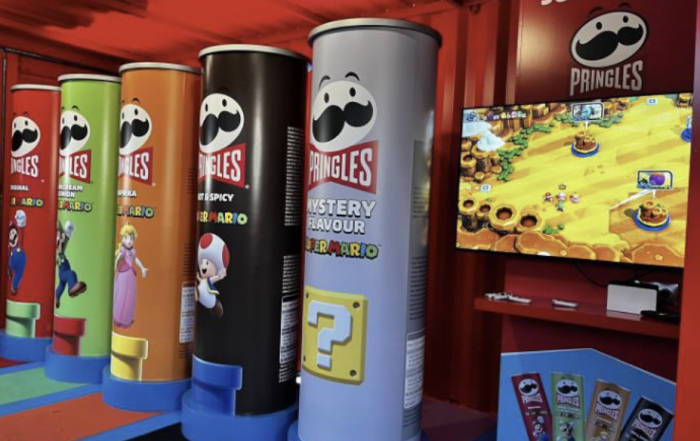
Brand Culture, last year’s IPM Grand Prix winners, reveal how Pringles × Super Mario turned a brand partnership into shelf-side excitement, from the Mystery Flavour “question block” idea to collectable character cans.
News
What the Mando White Paper Told Us About Promotions in 2026
A quick IPM recap of What Brits Want from Promotions 3.0, covering key consumer behaviours, motivations and insights shaping effective promotions in 2026.
How to get comfortable running promotions in Europe Recap
A quick IPM recap on running promotions in Europe, covering the key watch outs around mechanics, timelines, filings, translation, tax, and fulfilment.
Pringles × Super Mario: The Boss Level Brand Partnership That Won the IPM Grand Prix
Brand Culture, last year’s IPM Grand Prix winners, reveal how Pringles × Super Mario turned a brand partnership into shelf-side excitement, from the Mystery Flavour “question block” idea to collectable character cans.